



A market clearing price is the price of a good or service at which the quantity supplied is equal to the quantity demanded. This equilibrium state represents a fundamental concept in economic theory where the market reaches a balance, with no excess supply or shortage of the product.
In economic terms, the market clearing price is also referred to as the equilibrium price. At this price point, producers are willing to supply exactly the amount that consumers wish to purchase, creating a stable market condition. When prices are above the market clearing price, excess supply occurs, putting downward pressure on prices. Conversely, when prices fall below this equilibrium, demand exceeds supply, driving prices upward until balance is restored.
Within the context of Life Cycle Assessment and cost-benefit analysis, understanding market clearing prices is essential for accurate economic modelling. These prices reflect the true economic value of products and services in competitive markets, representing the point where resource allocation is most efficient from a market perspective. When conducting consequential LCA studies that model changes in production systems, market clearing prices help determine which activities will respond to changes in demand and how prices might adjust as production volumes shift.
The concept becomes particularly relevant when assessing the economic viability of by-products, recycled materials, or waste streams. Whether a material has a positive market clearing price, trades at zero, or requires payment for disposal (negative price) fundamentally affects how it should be modelled in LCA studies and influences decisions about system boundaries and allocation procedures.
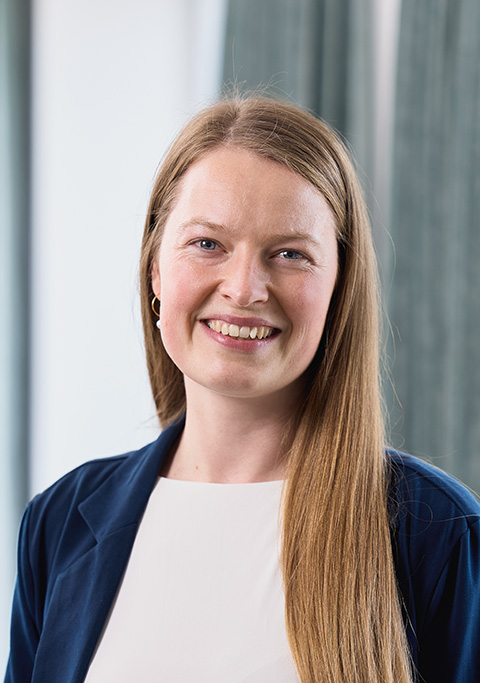
As Chief Operating Officer, Iris leads our organisational development and oversees day-to-day operations. Before joining 2-0, she worked in the biotechnology sector. As an LCA consultant, Iris has devoted her expertise primarily to the domains of sustainable agriculture and food production. She is dedicated to teaching LCA and is responsible for our educational efforts. Iris holds an M.Sc. in Biology – Biotechnology from the University of Copenhagen.
Contact for: LCA Training