

A marginal supplier (long-term) is a supplier or producer that will change production capacity in response to a change in demand for a product, whether that change represents an increase or decrease. This concept is fundamental to consequential Life Cycle Assessment modelling, where the goal is to identify which activities will actually respond to changes in demand for a functional unit.
In consequential LCA, according to ISO 14040 and ISO 14044 principles, the focus is on modelling the consequences of decisions. When demand for a product changes, not all suppliers in a market will respond equally. Whilst some suppliers operate at fixed capacity or are constrained by various factors, marginal suppliers possess the flexibility and economic incentive to adjust their production levels. These are the suppliers whose activities should be included in a consequential product system model.
The "long-term" specification distinguishes this from short-term market responses. Long-term marginal suppliers can make capital investments to expand production capacity or can mothball facilities to reduce it. This contrasts with short-term responses that might involve only adjusting utilisation of existing capacity. The long-term perspective is crucial for decisions with lasting consequences, such as policy changes, new product development, or significant shifts in consumption patterns.
Identifying the correct marginal supplier requires market analysis and understanding of economic constraints, technological barriers, and production capacity dynamics within the relevant geographical market. Factors influencing which supplier is marginal include production costs, available capacity for expansion, technological maturity, regulatory constraints, and competitive positioning. Typically, the supplier with the lowest production costs above current market equilibrium, or the highest costs within the current supply mix, will be marginal depending on whether demand is increasing or decreasing.
The marginal supplier concept directly informs system modelling choices in consequential LCA, determining which activity datasets should be linked to represent the supply of intermediate products within the product system being studied.
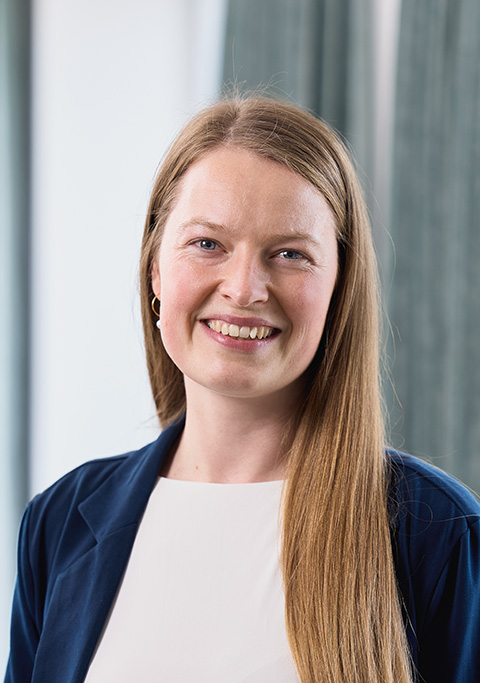
As Chief Operating Officer, Iris leads our organisational development and oversees day-to-day operations. Before joining 2-0, she worked in the biotechnology sector. As an LCA consultant, Iris has devoted her expertise primarily to the domains of sustainable agriculture and food production. She is dedicated to teaching LCA and is responsible for our educational efforts. Iris holds an M.Sc. in Biology – Biotechnology from the University of Copenhagen.
Contact for: LCA Training