


A co-product is any of two or more Product outputs coming from the same Unit process or Product system. This definition, established in ISO 14040 clause 3.10, recognises that many production processes generate multiple valuable outputs simultaneously rather than producing a single product in isolation.
The term co-product serves as an umbrella concept that encompasses all multiple outputs from a shared production process, regardless of their economic or functional significance. When a refinery processes crude oil, for instance, it produces petrol, diesel, kerosene, and various other petroleum products as co-products from the same distillation process. Similarly, when a dairy farmer produces milk, the calf born during the process represents another co-product of the dairy production system.
Within the broader category of co-products, two important sub-classifications can be made based on the relationship between product demand and production volume. Co-products may be either Determining products or By-products (also referred to as dependent products).
Determining products are those co-products for which changes in market demand directly influence the production volume of the activity. These are the products that drive the production decision. In contrast, By-products are dependent products whose production levels are determined by the demand for other products from the same process rather than by direct market demand for the by-product itself.
This distinction between determining products and by-products within the co-product category is essential for proper system modelling in Life Cycle Assessment, particularly when determining system boundaries and addressing multifunctionality through system expansion or allocation procedures.
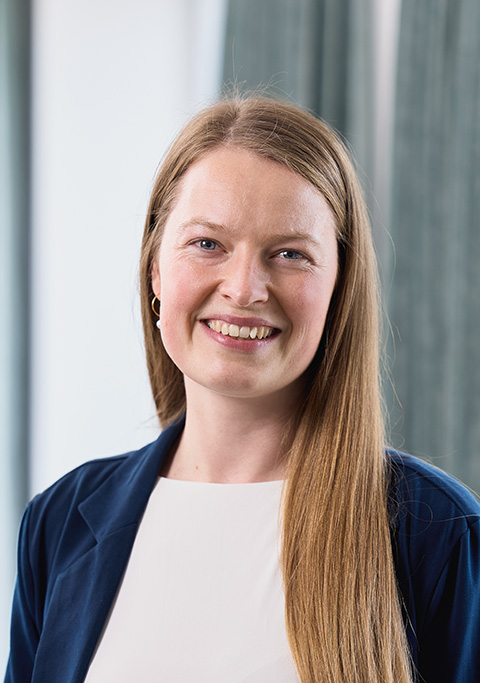
As Chief Operating Officer, Iris leads our organisational development and oversees day-to-day operations. Before joining 2-0, she worked in the biotechnology sector. As an LCA consultant, Iris has devoted her expertise primarily to the domains of sustainable agriculture and food production. She is dedicated to teaching LCA and is responsible for our educational efforts. Iris holds an M.Sc. in Biology – Biotechnology from the University of Copenhagen.
Contact for: LCA Training