Solutions



Services





Capital goods and services (sometimes shortened to "Cap&Serv") are the inputs a unit process needs in order to run, but that are not raw materials, energy or direct emissions. Capital goods are the machinery, buildings and infrastructure a company invests in. Services cover things like maintenance, insurance and administration.
These inputs are easy to leave out of a life cycle assessment. Clients rarely hold primary data on them, and they sit in the background rather than the foreground of the product system. Process-based databases such as ecoinvent often exclude them, which cuts the system short and can underestimate the life cycle assessment result. Environmentally extended input-output databases such as EXIOBASE include them by default, because they are built from the whole economy.
Whether to include capital goods and services depends on the goal and scope, but if you leave them out, say so, rather than leaving it as an accident.
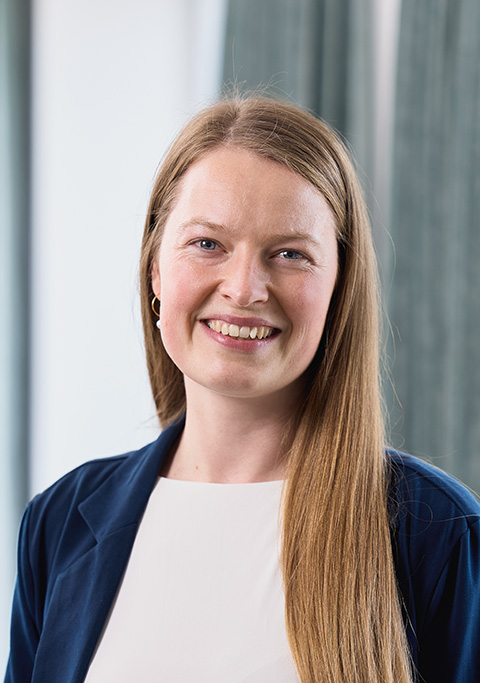
As Chief Operating Officer, Iris leads our organisational development and oversees day-to-day operations. Before joining 2-0, she worked in the biotechnology sector. As an LCA consultant, Iris has devoted her expertise primarily to the domains of sustainable agriculture and food production. She is dedicated to teaching LCA and is responsible for our educational efforts. Iris holds an M.Sc. in Biology – Biotechnology from the University of Copenhagen.
Contact for: LCA Training
Glossary terms are clearer once you have seen them applied. Our guide to what LCA is and how it works walks through the complete methodology: goal and scope, inventory modelling, impact assessment, and interpretation.
If you are working on an LCA study and want it done properly, see how we approach life cycle assessment.