Solutions



Services






Welfare economics is the study of economic efficiency, focusing on how to maximise social wellbeing through optimal resource allocation. This branch of economics provides the theoretical foundation for evaluating the overall welfare impacts of economic activities, policies, and decisions. It examines how economic systems can best serve society by maximising the total wellbeing of all economic agents.
At its core, welfare economics addresses basic questions about how scarce resources should be allocated to achieve the greatest benefit for society. This involves analysing trade-offs between efficiency and equity, understanding market failures, and identifying conditions under which markets achieve socially optimal outcomes. The field employs tools such as cost-benefit analysis, willingness-to-pay methods, and social welfare functions to compare alternative states of the economy and guide policy decisions.
When welfare economics is applied with a specific ethical framework, its objectives fit closely with broader sustainability goals. When social wellbeing is sought to be maximised among equal and autonomous agents both within the current generation and across future generations, the goal of welfare economics becomes identical to the goal of Sustainable development. This intergenerational perspective ensures that present economic activities do not compromise the ability of future generations to meet their own needs.
In the context of Life Cycle Assessment, welfare economics provides the conceptual basis for monetary valuation of environmental and social impacts. By converting externalities into monetary units, practitioners can compare the full social costs and benefits of different product systems.
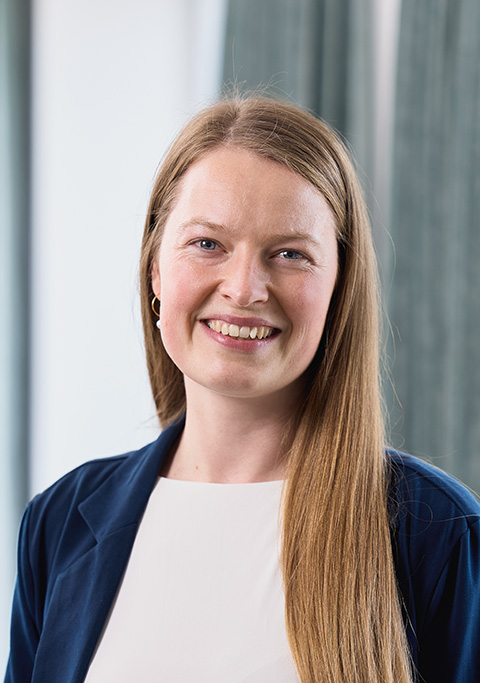
As Chief Operating Officer, Iris leads our organisational development and oversees day-to-day operations. Before joining 2-0, she worked in the biotechnology sector. As an LCA consultant, Iris has devoted her expertise primarily to the domains of sustainable agriculture and food production. She is dedicated to teaching LCA and is responsible for our educational efforts. Iris holds an M.Sc. in Biology – Biotechnology from the University of Copenhagen.
Contact for: LCA Training
Glossary terms are clearer once you have seen them applied. Our guide to what LCA is and how it works walks through the complete methodology: goal and scope, inventory modelling, impact assessment, and interpretation.
If you are working on an LCA study and want it done properly, see how we approach life cycle assessment.