Solutions



Services






An impact category endpoint is an attribute or aspect of the Environment affected by the Impacts of an Impact category. This concept represents the final point of concern in impact assessment, identifying what we ultimately care about protecting or preserving within environmental systems.
According to ISO 14040, an impact category endpoint is defined as an "attribute or aspect of natural environment, human health, or resources, identifying an environmental issue giving cause for concern". This definition highlights the three primary areas of protection that Life Cycle Assessment seeks to address: the natural environment, human wellbeing, and resource availability.
Impact category endpoints are the target outcomes in characterisation models. They are the actual environmental damage or benefit that results from the causal chain of impacts initiated by activities within a product system. For example, in climate change impact assessment, the endpoint might be expressed as effects on human health (such as heat-related mortality), ecosystem quality (such as species loss), or resource availability (such as reduced agricultural productivity).
The endpoint concept is important for translating the technical results of Life Cycle Inventory analysis into information about real-world consequences. By identifying specific endpoints, impact assessment methods can quantify the potential magnitude of environmental effects in ways that support decision-making and allow comparison between different product systems or design alternatives.
Understanding impact category endpoints helps practitioners and stakeholders grasp what environmental issues are being evaluated and why they matter, moving beyond abstract inventory data to concrete concerns about the state of the environment, human health, and natural resources.
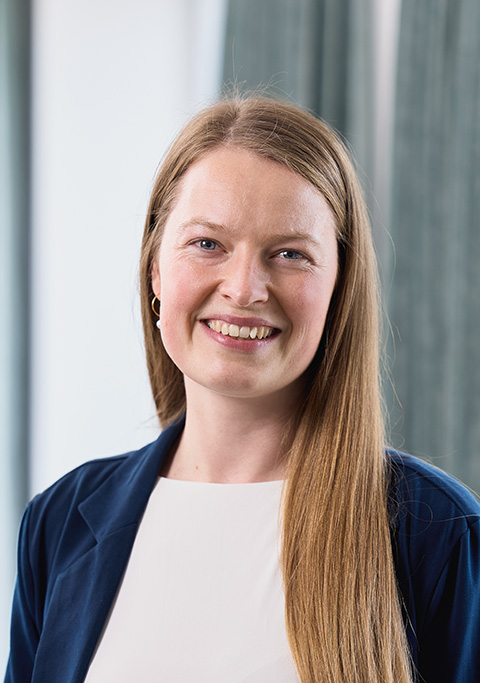
As Chief Operating Officer, Iris leads our organisational development and oversees day-to-day operations. Before joining 2-0, she worked in the biotechnology sector. As an LCA consultant, Iris has devoted her expertise primarily to the domains of sustainable agriculture and food production. She is dedicated to teaching LCA and is responsible for our educational efforts. Iris holds an M.Sc. in Biology – Biotechnology from the University of Copenhagen.
Contact for: LCA Training
Glossary terms are clearer once you have seen them applied. Our guide to what LCA is and how it works walks through the complete methodology: goal and scope, inventory modelling, impact assessment, and interpretation.
If you are working on an LCA study and want it done properly, see how we approach life cycle assessment.