Solutions



Services






Environmental Life Cycle Costing (LCC) is an assessment methodology that quantifies all Costs associated with the Life cycle of a product that are directly covered by one or more actors within the Product life cycle. This assessment also includes Externalities that are anticipated to be Internalised in the decision-relevant future.
The scope of Environmental Life Cycle Costing distinguishes it from other costing approaches by covering internal or private costs, whilst external costs and benefits are addressed separately through monetarised Life Cycle Impact Assessment (LCIA) results. This division reflects a key principle: LCC focuses on costs that are directly borne by economic actors in the product system, whilst environmental and social externalities that remain outside market transactions are quantified through environmental assessment methods.
The LCC methodology accounts for value added in each Unit process throughout the product life cycle. When these values are cumulated across all life cycle stages, the result equals the price of the product, provided that all costs occurring during use and disposal phases are included. This ensures that decision-makers can see the full economic picture from raw material extraction through production, use, and end-of-life treatment.
The adjective "environmental" in Environmental Life Cycle Costing has an important clarifying function. It indicates that the costing analysis is performed using system boundaries consistent with those prescribed by the ISO 14040 series of standards for environmental Life Cycle Assessment. This alignment allows economic and environmental analyses to be integrated coherently, supporting sustainability assessment whilst avoiding the pitfalls of inconsistent scope definition between cost and impact evaluation.
Environmental LCC provides important economic context for decision-making, allowing organisations to understand not only the environmental consequences of their choices but also the financial implications distributed across the entire product life cycle and among different economic actors.
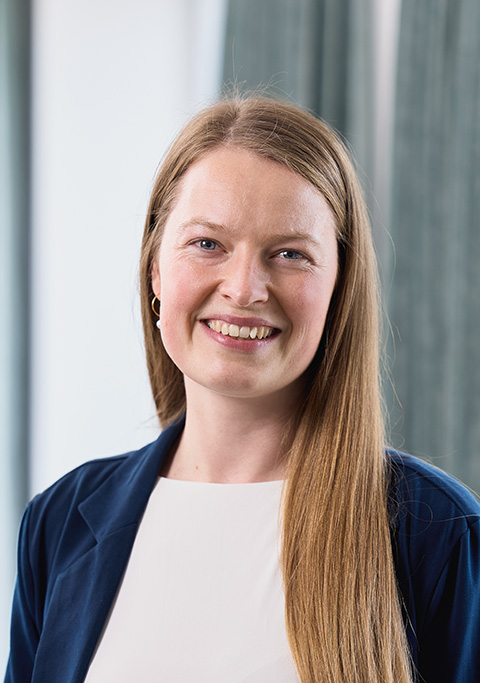
As Chief Operating Officer, Iris leads our organisational development and oversees day-to-day operations. Before joining 2-0, she worked in the biotechnology sector. As an LCA consultant, Iris has devoted her expertise primarily to the domains of sustainable agriculture and food production. She is dedicated to teaching LCA and is responsible for our educational efforts. Iris holds an M.Sc. in Biology – Biotechnology from the University of Copenhagen.
Contact for: LCA Training
Glossary terms are clearer once you have seen them applied. Our guide to what LCA is and how it works walks through the complete methodology: goal and scope, inventory modelling, impact assessment, and interpretation.
If you are working on an LCA study and want it done properly, see how we approach life cycle assessment.