


Specialty food ingredients (SFIs or just ‘specialty ingredients’) such as emulsifiers, food enzymes, hydrocolloids and cultures are typically applied in small amounts (<1% w/w of the final food product). Generally, little attention has been given to specialty ingredients in the LCA community (Foster et al 2006, BCFN 2011). DuPont Nutrition & Health (N&H) is a leading producer of specialty food ingredients worldwide. During the last five years, DuPont N&H has completed cradle-to-gate LCAs of a wide range of specialty ingredients, based on both attributional and consequential modeling. The average carbon footprint of DuPont N&H products is 3-4 kg CO2e per kg (cradle-to-gate) but they only represent a small share of the final consumer products carbon footprint. More importantly, most solutions enable significant reductions of our customer’s footprint by enabling replacement of animal derived raw materials (with e.g. soy protein), in-creasing processing efficiency or enabling reduced food waste in retail and households. DuPont N&H has identified more than 70 ‘sustainable solutions’ and LCA screenings of 40 cases show that they can help customers reducing between 10 and 100 kg CO2e per kg specialty ingredient applied.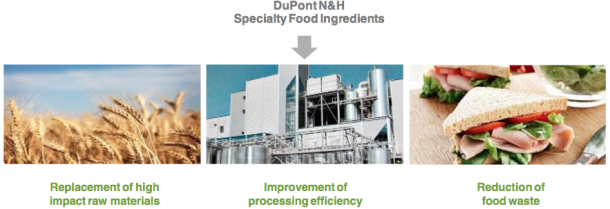
Figure 1. Conceptual model of interaction between SFIs (top center) and the food value chain with raw material providers (left), food producers (center) and finally end-consumers (right).
Six cradle-to-gate studies received third-party ISO 14044 review; the 40 use-stage cases were screenings. Attributional and consequential modelling are treated as complementary, with generally similar results but substantial differences in some dairy cases. The use-stage figures should therefore be read as screening results.



