



Monetary valuation is the practice of converting measures of social and biophysical Impacts into monetary units so that they can be compared against each other and against the Costs and Benefits already expressed in monetary units. This approach enables diverse environmental and social impacts to be assessed within a unified economic framework.
In Life Cycle Assessment and sustainability evaluation, monetary valuation addresses a fundamental challenge: how to meaningfully compare different types of impacts that are otherwise incommensurable. For instance, how does one weigh biodiversity loss against human health impacts, or resource depletion against ecosystem degradation? By expressing these diverse impacts in a common monetary metric, decision makers can evaluate trade-offs more systematically and conduct comprehensive cost-benefit assessments.
The process of monetary valuation typically employs willingness-to-pay methods or damage cost approaches to assign economic values to environmental and social impacts. These valuations can then be integrated with traditional economic costs and benefits that already have market prices, creating a complete picture of the total societal value or burden associated with a product system or activity. This comprehensive view supports more informed decision making that accounts for externalities that would otherwise remain hidden in conventional economic analysis.
Whilst monetary valuation is powerful for integrating diverse impacts into a single framework, it is important to recognise its limitations and the value judgements inherent in assigning monetary worth to non-market goods such as human health, ecosystem services or cultural heritage. Nevertheless, when applied appropriately, monetary valuation provides essential support for Life Cycle Sustainability Assessment and Cost-Benefit Assessment, enabling a more complete accounting of the true societal costs and benefits of economic activities.
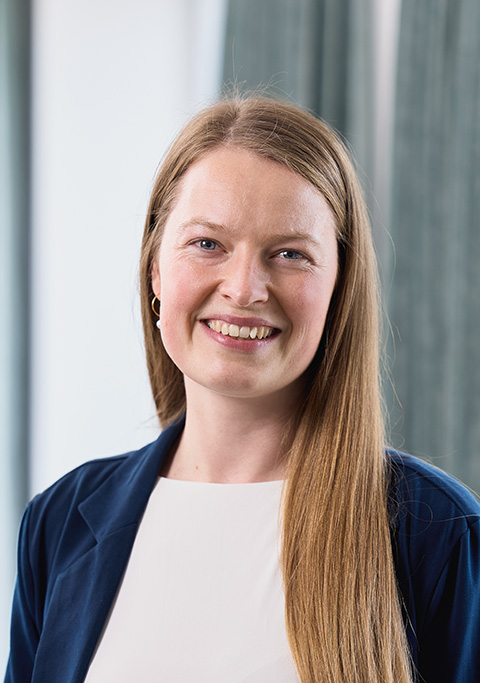
As Chief Operating Officer, Iris leads our organisational development and oversees day-to-day operations. Before joining 2-0, she worked in the biotechnology sector. As an LCA consultant, Iris has devoted her expertise primarily to the domains of sustainable agriculture and food production. She is dedicated to teaching LCA and is responsible for our educational efforts. Iris holds an M.Sc. in Biology – Biotechnology from the University of Copenhagen.
Contact for: LCA Training