

A material for treatment is a By-product/Waste that no other Activity in the same geographical area has as its positive Determining product, and which therefore cannot substitute a determining product as an input to an activity. This classification distinguishes materials that require treatment services from those that have market value and can displace other products.
Whilst ISO 14040 and 14044 do not explicitly define "material for treatment" as a distinct term, the concept aligns with the broader ISO framework for handling multi-functional processes and waste flows. The standards emphasise the importance of distinguishing between products with positive economic value and waste materials requiring treatment or disposal.
The defining characteristic of materials for treatment is their lack of substitution potential. Unlike recyclable by-products that can displace virgin materials or other determining products in subsequent activities, materials for treatment cannot serve this function within the defined geographical area. This geographical boundary is important, as a material might be recyclable in one region but require disposal in another due to differences in infrastructure, technology, or market conditions.
In Life Cycle Assessment modelling, materials for treatment typically appear as inputs to treatment activities, which are modelled with a negative determining product. This means the treatment activity provides a service (waste management) rather than producing a valuable product. Examples include municipal solid waste sent to incineration or landfill, contaminated materials requiring specialised disposal, or residues from recycling processes that cannot be further recovered.
The classification acknowledges that materials for treatment can technically be categorised as either by-products or waste. However, this distinction carries no practical implications for LCA modelling purposes. What matters is recognising that these materials require treatment services and understanding the environmental burdens associated with their management within the product system being studied.
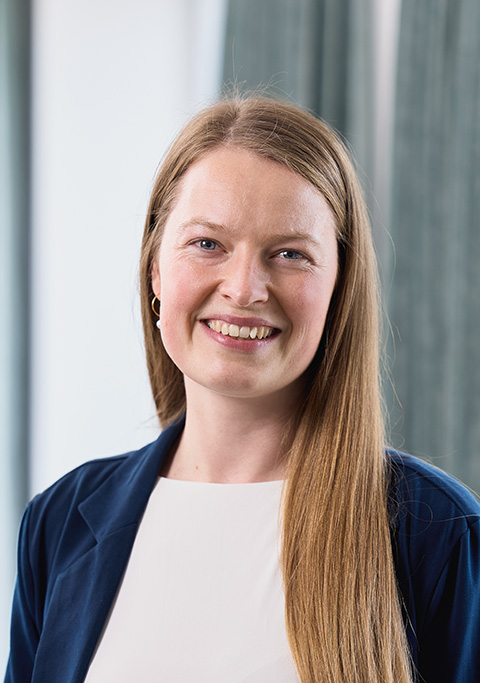
As Chief Operating Officer, Iris leads our organisational development and oversees day-to-day operations. Before joining 2-0, she worked in the biotechnology sector. As an LCA consultant, Iris has devoted her expertise primarily to the domains of sustainable agriculture and food production. She is dedicated to teaching LCA and is responsible for our educational efforts. Iris holds an M.Sc. in Biology – Biotechnology from the University of Copenhagen.
Contact for: LCA Training