

Material Flow Cost Accounting (MFCA) is a management tool that accounts for the internal Private costs of a system, which may be a Product system. This methodology provides organisations with a systematic approach to trace and quantify material flows and their associated costs throughout production processes, enabling identification of inefficiencies and waste reduction opportunities.
MFCA focuses exclusively on costs that are directly paid by actors within the system boundary, distinguishing it from broader environmental costing approaches that include external costs. By tracking both material quantities and their economic values as they flow through production processes, MFCA reveals the true cost of material losses, waste generation, and inefficient resource use that traditional cost accounting systems often overlook or misallocate.
When the system being analysed is a product system, MFCA can be understood as an LCC embedded within a Plan-Do-Check-Act management cycle. This integration means that MFCA not only quantifies the internal costs across a product's life cycle but also provides a framework for continuous improvement. The Plan-Do-Check-Act cycle enables organisations to use MFCA results to set improvement targets, implement changes, monitor performance, and refine approaches iteratively, making it a practical tool for operational sustainability management.
The methodology has been standardised in ISO 14051, which provides requirements and guidance for establishing, implementing, and maintaining MFCA systems within organisations. This standardisation ensures consistency in how material flows and their associated costs are measured, allocated, and reported, facilitating comparability and credibility of MFCA results across different organisations and sectors.
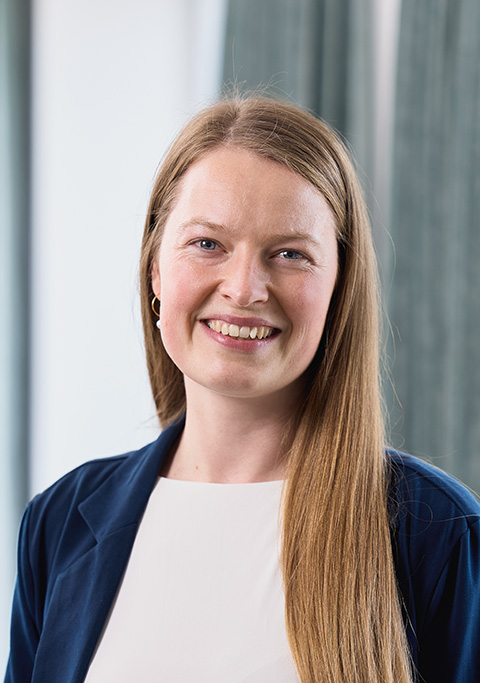
As Chief Operating Officer, Iris leads our organisational development and oversees day-to-day operations. Before joining 2-0, she worked in the biotechnology sector. As an LCA consultant, Iris has devoted her expertise primarily to the domains of sustainable agriculture and food production. She is dedicated to teaching LCA and is responsible for our educational efforts. Iris holds an M.Sc. in Biology – Biotechnology from the University of Copenhagen.
Contact for: LCA Training