



A make-use table is a specific format of Supply-use table where the supply table is transposed so that each column represents an Activity in both the supply and the use table. This structural reorganisation creates a consistent framework where activities are represented uniformly across both components of the table.
In a standard supply-use table, the supply table shows which activities produce which products, whilst the use table shows which activities consume which products. These two tables together capture the complete flow of products through an economy. The supply table typically has activities in rows and products in columns, showing what each activity produces. The use table has activities in columns and products in rows, showing what each activity consumes.
When the supply table is transposed to create a make-use table, activities appear in columns in both tables. This transformation is sometimes referred to as creating a "make table" from the supply table. The resulting make-use table format provides a more unified structure for economic analysis and modelling, making it easier to trace how products flow between activities.
This format is particularly useful in input-output economics and Life Cycle Assessment databases, where it facilitates the representation of production functions and the interlinkages between different economic activities. The consistent columnar representation of activities across both tables simplifies the mathematical operations needed to transform these tables into direct requirements tables or other analytical formats used in LCA modelling.
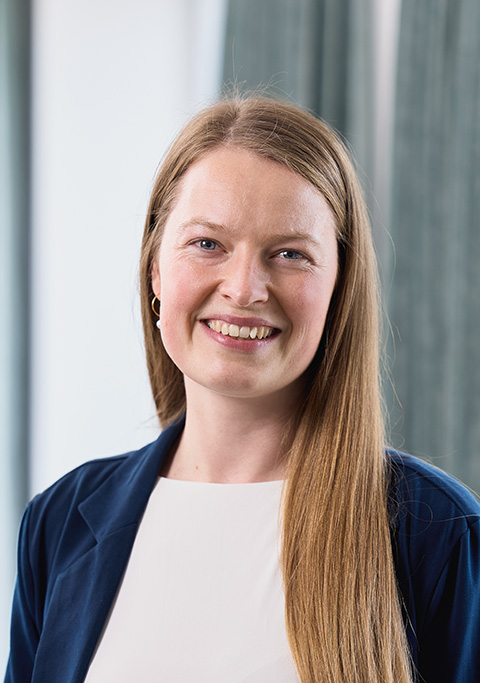
As Chief Operating Officer, Iris leads our organisational development and oversees day-to-day operations. Before joining 2-0, she worked in the biotechnology sector. As an LCA consultant, Iris has devoted her expertise primarily to the domains of sustainable agriculture and food production. She is dedicated to teaching LCA and is responsible for our educational efforts. Iris holds an M.Sc. in Biology – Biotechnology from the University of Copenhagen.
Contact for: LCA Training