



Contingent valuation is a stated preference valuation method used to estimate the economic value of Non-market products by directly asking individuals about their Willingness to pay or accept compensation for a specified change in the availability of the non-market product. The method identifies the marginal value that people place on goods, services, or environmental conditions that are not traded in conventional markets and therefore lack observable market prices.
The term "stated preference" distinguishes contingent valuation from revealed preference methods. In stated preference approaches, researchers elicit values through surveys, questionnaires, or interviews where respondents state their preferences for hypothetical scenarios. This contrasts with revealed preference methods, which infer values from actual observed behaviour in related markets.
Contingent valuation typically employs one of two valuation perspectives. Willingness to pay measures the maximum amount an individual would pay to secure an improvement or avoid a deterioration in the availability of a non-market product. Willingness to accept compensation measures the minimum amount an individual would accept as compensation for tolerating a deterioration or forgoing an improvement. These two measures can yield different values due to factors such as loss aversion and income effects, though both provide legitimate approaches to valuation depending on the property rights context.
In Life Cycle Assessment and Cost-Benefit Assessment, contingent valuation serves as a tool for monetary valuation of externalities, particularly environmental and social impacts that affect human wellbeing but are not captured in market transactions. By converting these impacts into monetary units, contingent valuation enables comparison of diverse environmental issues on a common scale and supports comprehensive sustainability assessment. The method is especially valuable for valuing unique environmental assets, existence values, and other non-use values that cannot be assessed through market-based approaches.
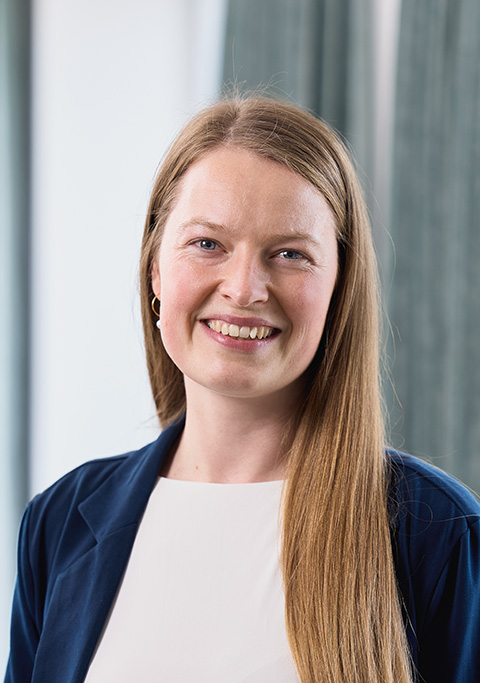
As Chief Operating Officer, Iris leads our organisational development and oversees day-to-day operations. Before joining 2-0, she worked in the biotechnology sector. As an LCA consultant, Iris has devoted her expertise primarily to the domains of sustainable agriculture and food production. She is dedicated to teaching LCA and is responsible for our educational efforts. Iris holds an M.Sc. in Biology – Biotechnology from the University of Copenhagen.
Contact for: LCA Training