



A constrained activity is an Activity that is limited in its ability to change its production volume in response to a change in demand for its Product output. These constraints prevent the activity from expanding or contracting production even when market demand signals would normally trigger such changes.
Constraints on activities can arise from various sources. Physical limitations represent one common category, such as the finite capacity of existing infrastructure, the availability of raw materials, or geographical restrictions on production sites. Regulatory constraints may also limit production, including quotas, permits, protected designations, or environmental regulations that cap output levels. Economic constraints can emerge when production capacity is already fully utilised or when the marginal cost of expanding production becomes prohibitively high. Temporal constraints may apply when production is inherently seasonal or when long lead times for capacity expansion prevent rapid response to demand changes.
The concept of constrained activities is particularly important in consequential Life Cycle Assessment modelling. In this approach, the goal is to model the actual consequences of changes in demand for a product. When an activity is constrained, increased demand of any of its product outputs cannot be met by expanding production from that activity. Instead, the increased demand must be satisfied by alternative sources, such as marginal suppliers who have the capacity to respond to demand changes, or through displacement of other uses of the constrained product.
Understanding which activities are constrained helps practitioners correctly model market responses and identify which suppliers or technologies will actually change their production levels as a consequence of the decision being assessed. This distinction becomes crucial when calculating the environmental impacts attributable to marginal changes in product demand, as constrained activities will not contribute to these marginal changes even if they represent a significant share of current production.
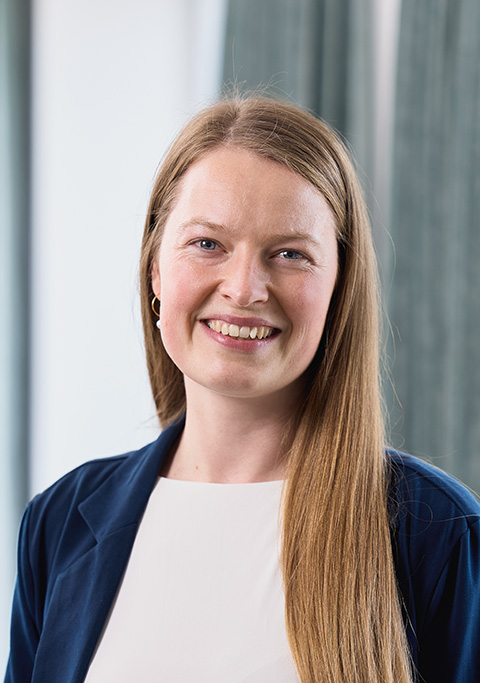
As Chief Operating Officer, Iris leads our organisational development and oversees day-to-day operations. Before joining 2-0, she worked in the biotechnology sector. As an LCA consultant, Iris has devoted her expertise primarily to the domains of sustainable agriculture and food production. She is dedicated to teaching LCA and is responsible for our educational efforts. Iris holds an M.Sc. in Biology – Biotechnology from the University of Copenhagen.
Contact for: LCA Training