



Co-product allocation is the partitioning of input or output flows (see: Exchange) of a process or a Product system between the product system under study and one or more other product systems. This methodological approach is formally defined in ISO 14040 as a means of dealing with multi-functional processes that produce multiple co-products simultaneously.
When a single process or activity produces more than one product output, allocation can be used to distribute the environmental burdens and resource consumption amongst these different products. The fundamental principle of co-product allocation is that the partitioning creates as many separate partitioned systems as there are co-products in the original system. Crucially, the sum of all partitioned systems must equal the original system before partitioning, ensuring that no environmental burdens are lost or created through the allocation process itself.
ISO 14040 establishes a hierarchy for addressing multi-functionality in LCA. The standard recommends first avoiding allocation through system expansion or by subdividing the process into sub-processes. However, when allocation cannot be avoided, ISO 14040 states that inputs and outputs should be partitioned between different products in a way that reflects the underlying physical relationships between them. Where physical relationships alone cannot be established, other relationships such as economic value may be used as an allocation basis.
Common allocation approaches include mass allocation (distributing burdens based on the mass of co-products), economic allocation (based on the relative market value of co-products), and energy allocation (based on energy content). The choice of allocation method can significantly influence LCA results, particularly when co-products have very different physical properties or economic values. For this reason, ISO 14044 recommends conducting sensitivity analyses to understand how different allocation approaches affect the conclusions of the study.
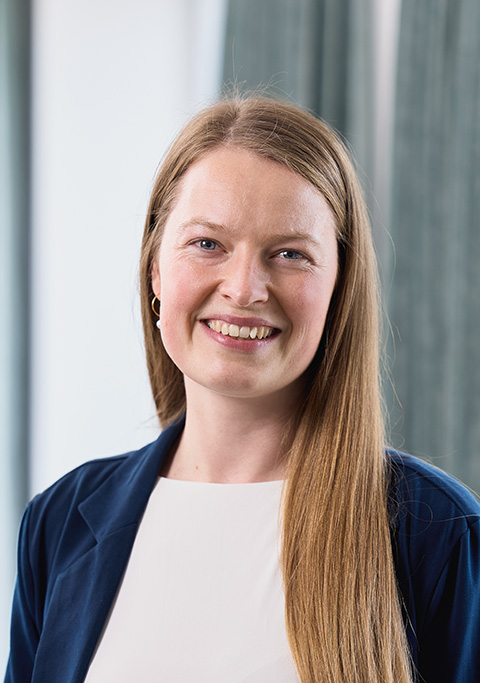
As Chief Operating Officer, Iris leads our organisational development and oversees day-to-day operations. Before joining 2-0, she worked in the biotechnology sector. As an LCA consultant, Iris has devoted her expertise primarily to the domains of sustainable agriculture and food production. She is dedicated to teaching LCA and is responsible for our educational efforts. Iris holds an M.Sc. in Biology – Biotechnology from the University of Copenhagen.
Contact for: LCA Training