

A child dataset is a dataset resulting from combining a Parent dataset with a Delta dataset. This hierarchical data structure, developed and implemented by ecoinvent, enables efficient management of LCA datasets with multiple variations whilst maintaining consistency and reducing data redundancy.
The concept of child datasets is rooted in the principle of data inheritance. A parent dataset serves as a template or reference containing default information that represents a baseline or reference description of an activity. The delta dataset then specifies only the differences and modifications needed to create a specific variant. When these two are combined, the resulting child dataset inherits all field values from the parent dataset except where the delta dataset explicitly overrides or modifies them.
This approach offers several practical advantages for LCA database management. First, it significantly reduces data redundancy by storing common information only once in the parent dataset rather than repeating it across multiple similar datasets. Second, it ensures consistency across related datasets, as updates to shared characteristics in the parent dataset automatically propagate to all child datasets that inherit from it. Third, it makes the management of geographical, temporal, or technological variations more transparent and efficient, as only the actual differences need to be documented in the delta datasets.
For example, a parent dataset might describe a global average electricity production process, whilst child datasets would represent specific country or regional variations. The delta datasets would specify only the parameters that differ by region, such as the fuel mix, emission factors, or efficiency rates, whilst inheriting all other shared characteristics from the parent.
This hierarchical structure is particularly valuable in large-scale LCA databases where numerous variants of similar activities exist, allowing database developers to maintain extensive collections of related datasets with greater efficiency and reduced risk of inconsistencies.
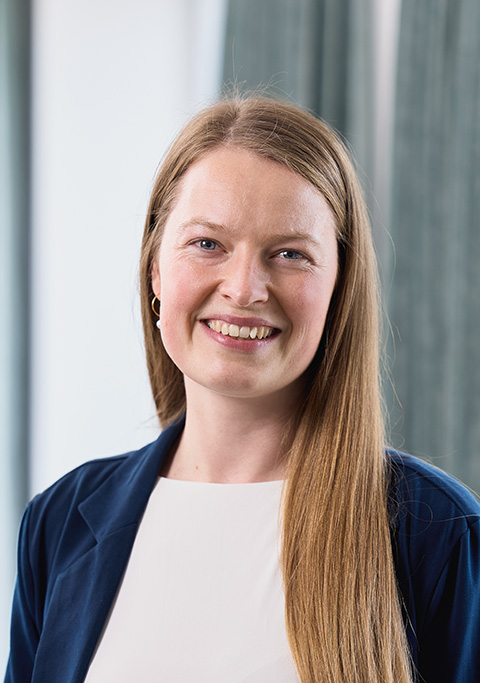
As Chief Operating Officer, Iris leads our organisational development and oversees day-to-day operations. Before joining 2-0, she worked in the biotechnology sector. As an LCA consultant, Iris has devoted her expertise primarily to the domains of sustainable agriculture and food production. She is dedicated to teaching LCA and is responsible for our educational efforts. Iris holds an M.Sc. in Biology – Biotechnology from the University of Copenhagen.
Contact for: LCA Training