

A characterisation model is a mathematical and scientific framework that describes the relationship between a Life cycle inventory analysis result and its subsequent Impact(s) as represented by the Impact category endpoint(s). This model forms the analytical foundation of Life Cycle Impact Assessment, translating inventory data into meaningful environmental impact indicators.
The characterisation model serves as the bridge between the quantified elementary exchanges catalogued during the Life Cycle Inventory phase and the potential environmental consequences of those exchanges. Whilst the inventory phase documents what enters and leaves the product system, the characterisation model explains how those flows affect the environment, human health, and natural resources.
ISO 14040 defines the characterisation model as describing a relationship between Life Cycle Inventory analysis results and impact category indicators. The model typically incorporates environmental mechanisms, scientific relationships, and quantitative factors that express how different elementary exchanges contribute to specific impact category endpoints. For instance, a climate change characterisation model would describe how various greenhouse gas emissions (the LCI results) contribute to radiative forcing and ultimately to global temperature change (the impact category endpoint).
These models vary widely in complexity and scientific robustness across different impact categories. Some, such as climate change models based on radiative forcing potential, are relatively well established with broad scientific consensus. Others, particularly for impact categories like biodiversity or land use, involve greater uncertainty and more complex cause-effect chains. Environmental mechanisms, which represent activities not performed by humans or managed systems, often form crucial components of characterisation models, helping to link inventory results to their ultimate environmental endpoints.
The outputs from characterisation models are expressed through characterisation factors, which are derived from the model and applied to convert inventory results into common units of impact category indicators.
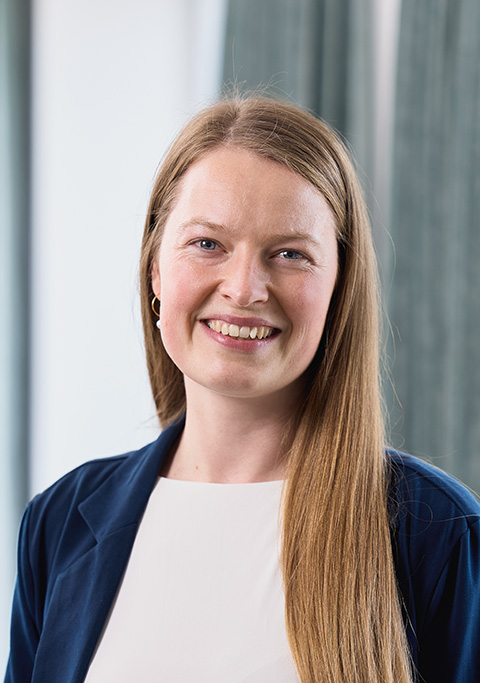
As Chief Operating Officer, Iris leads our organisational development and oversees day-to-day operations. Before joining 2-0, she worked in the biotechnology sector. As an LCA consultant, Iris has devoted her expertise primarily to the domains of sustainable agriculture and food production. She is dedicated to teaching LCA and is responsible for our educational efforts. Iris holds an M.Sc. in Biology – Biotechnology from the University of Copenhagen.
Contact for: LCA Training