Solutions



Services




Classification is the step in Life Cycle Impact Assessment where elementary flows from the inventory analysis are assigned to relevant impact categories based on their potential environmental effects. During classification, each elementary flow is sorted into one or more impact categories according to the type of environmental impact it can cause. For example, carbon dioxide emissions are classified under climate change, whilst nitrogen oxides may be classified under multiple categories including acidification, eutrophication, and photochemical ozone formation.
Within the ISO 14040 and ISO 14044 framework, classification is described as part of the mandatory characterisation phase of LCIA. According to ISO 14044 clause 4.4.3.2, "The LCI results are assigned to the selected impact categories (classification)". This assignment step is qualitative in nature, identifying which environmental mechanisms and impact categories are relevant for each elementary flow before quantitative calculations are performed.
The classification process requires understanding the environmental mechanisms through which each elementary flow can affect the environment. This involves expert judgement and scientific knowledge about cause-effect relationships between emissions, resource use, and environmental impacts. A single elementary flow may be classified into multiple impact categories when it contributes to different types of environmental impacts through different mechanisms.
Classification is the basis for the subsequent characterisation calculation, where characterisation factors are applied to quantify the relative contributions of different elementary flows to each impact category indicator. Without proper classification, the quantitative assessment cannot proceed, making this step necessary for any LCIA.
Classification and characterisation are distinct steps in LCA literature and practice, however according to ISO 14040/14044 they are both components of the mandatory characterisation phase, reflecting how the two are connected in translating inventory data into environmental impact indicators.
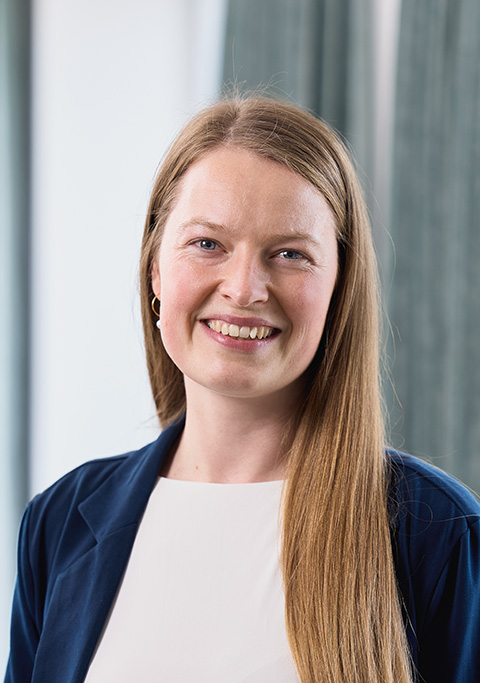
As Chief Operating Officer, Iris leads our organisational development and oversees day-to-day operations. Before joining 2-0, she worked in the biotechnology sector. As an LCA consultant, Iris has devoted her expertise primarily to the domains of sustainable agriculture and food production. She is dedicated to teaching LCA and is responsible for our educational efforts. Iris holds an M.Sc. in Biology – Biotechnology from the University of Copenhagen.
Contact for: LCA Training
Glossary terms are clearer once you have seen them applied. Our guide to what LCA is and how it works walks through the complete methodology: goal and scope, inventory modelling, impact assessment, and interpretation.
If you are working on an LCA study and want it done properly, see how we approach life cycle assessment.