Solutions



Services






A system model is a conceptual model describing a procedure for linking Activity datasets to form Product systems, or more generally for transforming a Supply-use table to a Direct requirements table.
The system model is the methodological framework that governs how individual activity data are connected and compiled into a complete product system for Life Cycle Assessment. It establishes the rules and procedures for handling multi-output processes, determining which activities to include in a product system, and how to trace supply chains through the economy.
In practical terms, a system model defines the logic used to transform economic data tables into usable LCA models. When working with Supply-use tables, which represent the flows of products between different economic activities, the system model prescribes how these tables should be mathematically transformed into a Direct requirements table. This transformation creates a linear model where each column represents a complete, interlinked product system specification.
The choice of system model has profound implications for LCA results. Different system models embody different assumptions about causality, market dynamics, and how changes in demand propagate through supply chains. The two principal approaches are attributional modelling, which uses normative rules to partition shared processes according to allocation principles, and consequential modelling, which seeks to identify the actual physical and economic consequences of changes in demand.
In input-output economics, the concept of a system model is referred to by several synonymous terms: technology model, technology assumption, or technology construct. These terms all describe the same basic concept of how to mathematically represent the relationships between inputs and outputs across an economic system.
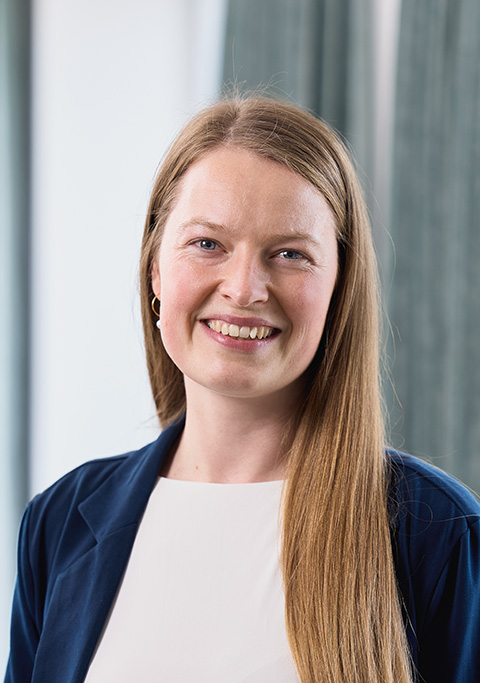
As Chief Operating Officer, Iris leads our organisational development and oversees day-to-day operations. Before joining 2-0, she worked in the biotechnology sector. As an LCA consultant, Iris has devoted her expertise primarily to the domains of sustainable agriculture and food production. She is dedicated to teaching LCA and is responsible for our educational efforts. Iris holds an M.Sc. in Biology – Biotechnology from the University of Copenhagen.
Contact for: LCA Training
Glossary terms are clearer once you have seen them applied. Our guide to what LCA is and how it works walks through the complete methodology: goal and scope, inventory modelling, impact assessment, and interpretation.
If you are working on an LCA study and want it done properly, see how we approach life cycle assessment.