Solutions



Services




Final waste is material input to a final disposal activity. This represents the end point in the material flow where a substance or object is permanently removed from the economic system through disposal rather than being recovered, recycled, or transformed into another useful product. Classifying a material as final waste indicates that it has reached the end of its material lifecycle. Unlike By-products or recyclable materials that can displace Determining products from other activities, final waste cannot provide further economic value or functional substitution.
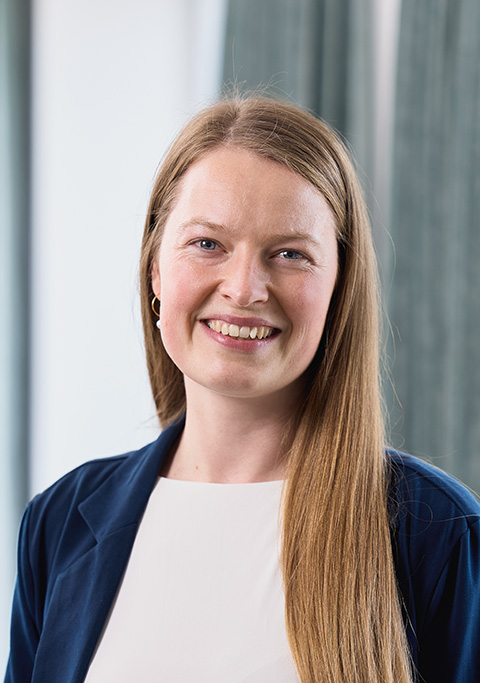
As Chief Operating Officer, Iris leads our organisational development and oversees day-to-day operations. Before joining 2-0, she worked in the biotechnology sector. As an LCA consultant, Iris has devoted her expertise primarily to the domains of sustainable agriculture and food production. She is dedicated to teaching LCA and is responsible for our educational efforts. Iris holds an M.Sc. in Biology – Biotechnology from the University of Copenhagen.
Contact for: LCA Training
Glossary terms are clearer once you have seen them applied. Our guide to what LCA is and how it works walks through the complete methodology: goal and scope, inventory modelling, impact assessment, and interpretation.
If you are working on an LCA study and want it done properly, see how we approach life cycle assessment.