Solutions



Services






A cost is the value spent to produce or obtain a specified amount of Product or production factor, related to a specified time period or output. Costs represent the expenditures or resource consumption required to enable economic activities, production processes, or the delivery of products and services.
Costs fall into two categories. The first is Private cost, which represents the internal expenditure directly borne by the economic actor conducting the activity. This includes all costs reflected in market transactions and prices, such as raw materials, labour, energy, equipment, and other production inputs. Private costs are the direct financial burden that accrues to the producer or service provider.
The second covers External cost, which are negative externalities that create losses in wellbeing for other economic actors or society at large without being captured in market transactions or prices. These costs arise from an activity of one economic actor but are experienced by another actor without this cost being part of the price of the good or service supplied. Examples of external costs include environmental degradation from pollution, health impacts from emissions, loss of ecosystem services, or depletion of natural resources that affect communities beyond the immediate economic transaction.
The sum of private cost and external cost constitutes the Social cost of an economic activity. Understanding the full scope of social costs matters for sustainability assessment and cost-benefit analysis, as it captures the total burden imposed by activities beyond what conventional economic accounting records. This allows more informed decisions that account for both market and non-market impacts on wellbeing and the environment, aligning with the principles of Life Cycle Sustainability Assessment.
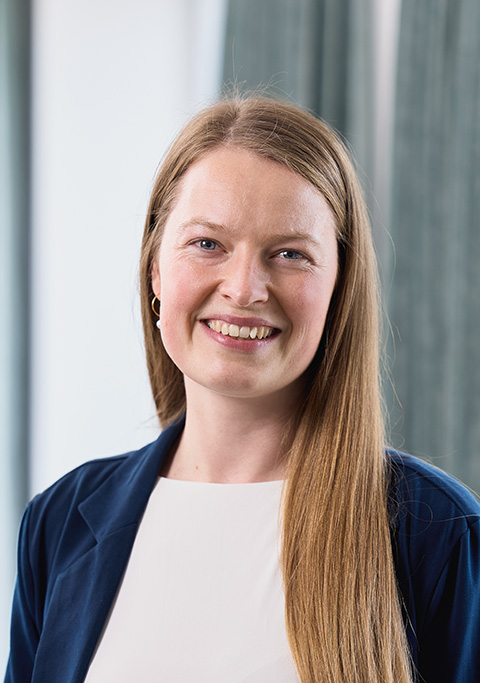
As Chief Operating Officer, Iris leads our organisational development and oversees day-to-day operations. Before joining 2-0, she worked in the biotechnology sector. As an LCA consultant, Iris has devoted her expertise primarily to the domains of sustainable agriculture and food production. She is dedicated to teaching LCA and is responsible for our educational efforts. Iris holds an M.Sc. in Biology – Biotechnology from the University of Copenhagen.
Contact for: LCA Training
Glossary terms are clearer once you have seen them applied. Our guide to what LCA is and how it works walks through the complete methodology: goal and scope, inventory modelling, impact assessment, and interpretation.
If you are working on an LCA study and want it done properly, see how we approach life cycle assessment.