



Production is an Activity you can contract or commit others to do for you, as opposed to Consumption (leisure). This fundamental distinction is based on Margaret Reid's third party criterion, which provides a practical test for differentiating between productive and consumptive activities.
The third party criterion asks a simple question: could you reasonably pay someone else to perform this activity on your behalf? If the answer is yes, the activity qualifies as production. For example, cooking a meal, cleaning a house, or manufacturing a product are all activities that one person can perform for another, making them production activities. These activities create value that can be transferred between economic actors, whether through market transactions or non-market arrangements.
In contrast, consumption activities are inherently personal and cannot be delegated. Physical exercise, enjoying art, eating, sleeping, and attending social or religious events are examples of consumption. Whilst you can hire a personal trainer to guide your exercise, they cannot actually perform the physical exercise on your behalf and achieve the health benefits for you. The utility derived from consumption activities is non-transferable.
This distinction is particularly important in Life Cycle Assessment because production activities are the focus of LCA studies. These are the activities that transform inputs into outputs, generate environmental exchanges, and create the products and services that flow through economic systems. Understanding which activities qualify as production helps define appropriate system boundaries and identify the relevant processes to include in a Product system.
The term "work" is used synonymously with production, emphasising the economic and productive nature of these activities within the broader context of human activity.
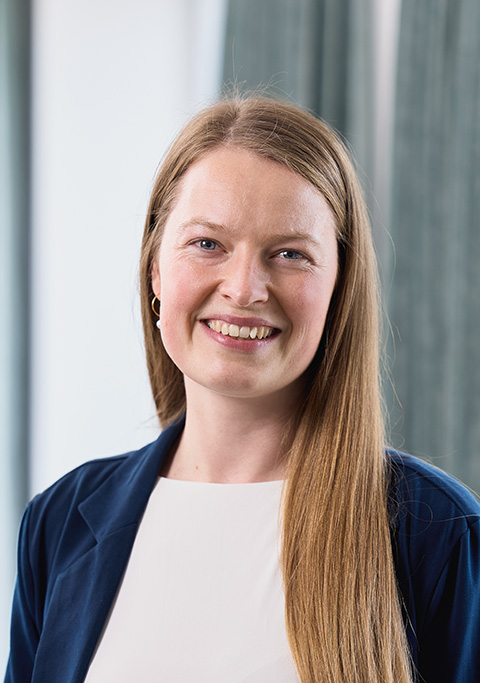
As Chief Operating Officer, Iris leads our organisational development and oversees day-to-day operations. Before joining 2-0, she worked in the biotechnology sector. As an LCA consultant, Iris has devoted her expertise primarily to the domains of sustainable agriculture and food production. She is dedicated to teaching LCA and is responsible for our educational efforts. Iris holds an M.Sc. in Biology – Biotechnology from the University of Copenhagen.
Contact for: LCA Training