



A near waste is a recyclable material for treatment that is not fully utilised through recycling processes. These materials occupy an intermediate position between valuable by-products that can reliably displace other products and wastes that have no recovery value.
The defining characteristic of near wastes relates to market constraints on recycling capacity and demand. When there is sufficient demand for recycled materials, a near waste can be processed through recycling activities and generate valuable secondary products. However, when additional (marginal) supply of the material for treatment exceeds available recycling demand, the excess portion will be diverted to disposal operations rather than recycling. This makes near wastes partially recyclable materials whose treatment pathway depends on market conditions and available recycling infrastructure.
This concept is particularly relevant in consequential Life Cycle Assessment modelling, where understanding marginal changes in material flows is essential. When an activity generates an additional unit of a near waste material, the consequential impact depends on whether that marginal unit can find a recycling pathway or must go to disposal. If recycling markets are already saturated, the marginal unit will likely go to waste treatment, and the LCA model should reflect this disposal pathway rather than assuming recycling.
Near wastes differ from materials that are consistently and fully recycled, where market demand reliably absorbs all available supply. They also differ from pure wastes, which have no viable recycling pathway regardless of market conditions. The classification of a material as a near waste acknowledges the real-world constraints on recycling systems, where infrastructure capacity, economic viability, and market demand all influence whether a recyclable material actually gets recycled or ends up in disposal.
Understanding near wastes helps practitioners avoid overestimating the environmental benefits of recycling in scenarios where recycling capacity is limited or market demand for secondary materials is insufficient to absorb additional supply.
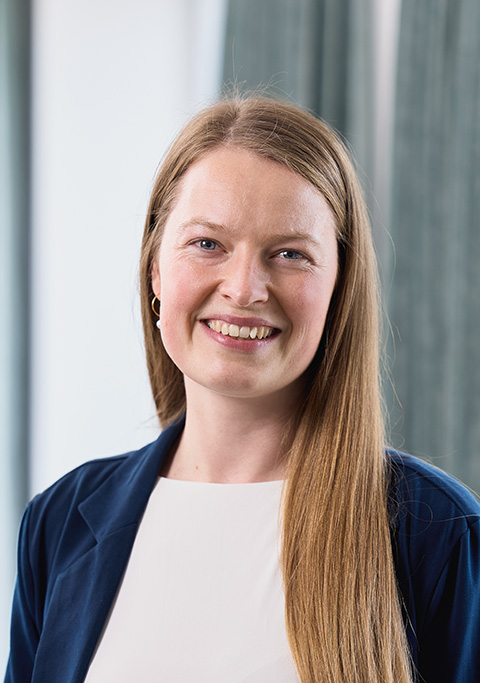
As Chief Operating Officer, Iris leads our organisational development and oversees day-to-day operations. Before joining 2-0, she worked in the biotechnology sector. As an LCA consultant, Iris has devoted her expertise primarily to the domains of sustainable agriculture and food production. She is dedicated to teaching LCA and is responsible for our educational efforts. Iris holds an M.Sc. in Biology – Biotechnology from the University of Copenhagen.
Contact for: LCA Training