

Land use change refers to the transformation of land from one type to another, such as converting forest to agricultural land or natural grassland to urban development. Unlike land use, which represents occupation over time, land use change is a one-time transformation event with potentially significant and long-lasting environmental consequences.
ISO 14044 recognises land transformation as an elementary flow, representing a discrete change in land characteristics that generates impacts on the natural environment. These impacts are fundamentally different from those of land occupation, as transformation typically involves irreversible or slowly reversible changes to ecosystem structure, soil properties, carbon stocks, and biodiversity.
The environmental significance of land use change depends critically on both the initial and final land use types. For example, converting primary forest to cropland generally results in substantial carbon emissions from biomass and soil, biodiversity loss, and degradation of ecosystem services. Conversely, converting degraded agricultural land to forest can sequester carbon and restore ecosystem functions, representing a negative impact or environmental benefit.
In LCA, land use change impacts are typically assessed separately from land occupation impacts due to their different temporal characteristics. Transformation impacts occur at the moment of change and may have consequences that persist for decades or centuries, particularly for carbon stock changes and biodiversity recovery times. Various characterisation methods exist to quantify these impacts, often expressing them in terms of ecosystem quality loss or carbon emissions.
Consequential LCA pays particular attention to indirect land use change, where increased demand for one product may trigger land use changes elsewhere in the system. For instance, increased biofuel production may displace food crops, which in turn may drive deforestation in other regions to compensate for reduced food production.
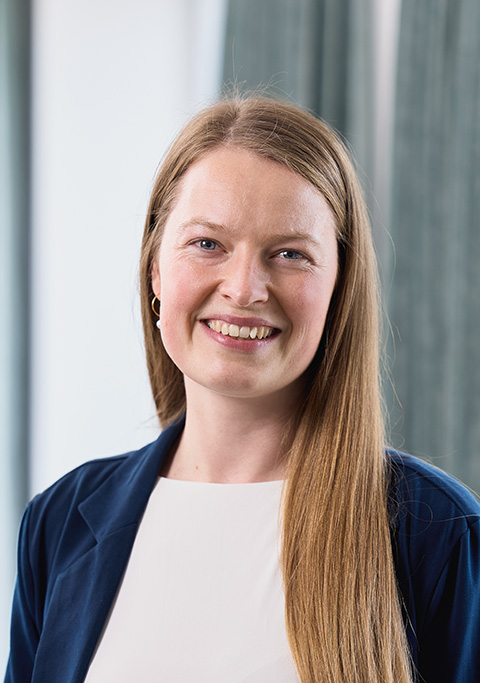
As Chief Operating Officer, Iris leads our organisational development and oversees day-to-day operations. Before joining 2-0, she worked in the biotechnology sector. As an LCA consultant, Iris has devoted her expertise primarily to the domains of sustainable agriculture and food production. She is dedicated to teaching LCA and is responsible for our educational efforts. Iris holds an M.Sc. in Biology – Biotechnology from the University of Copenhagen.
Contact for: LCA Training