
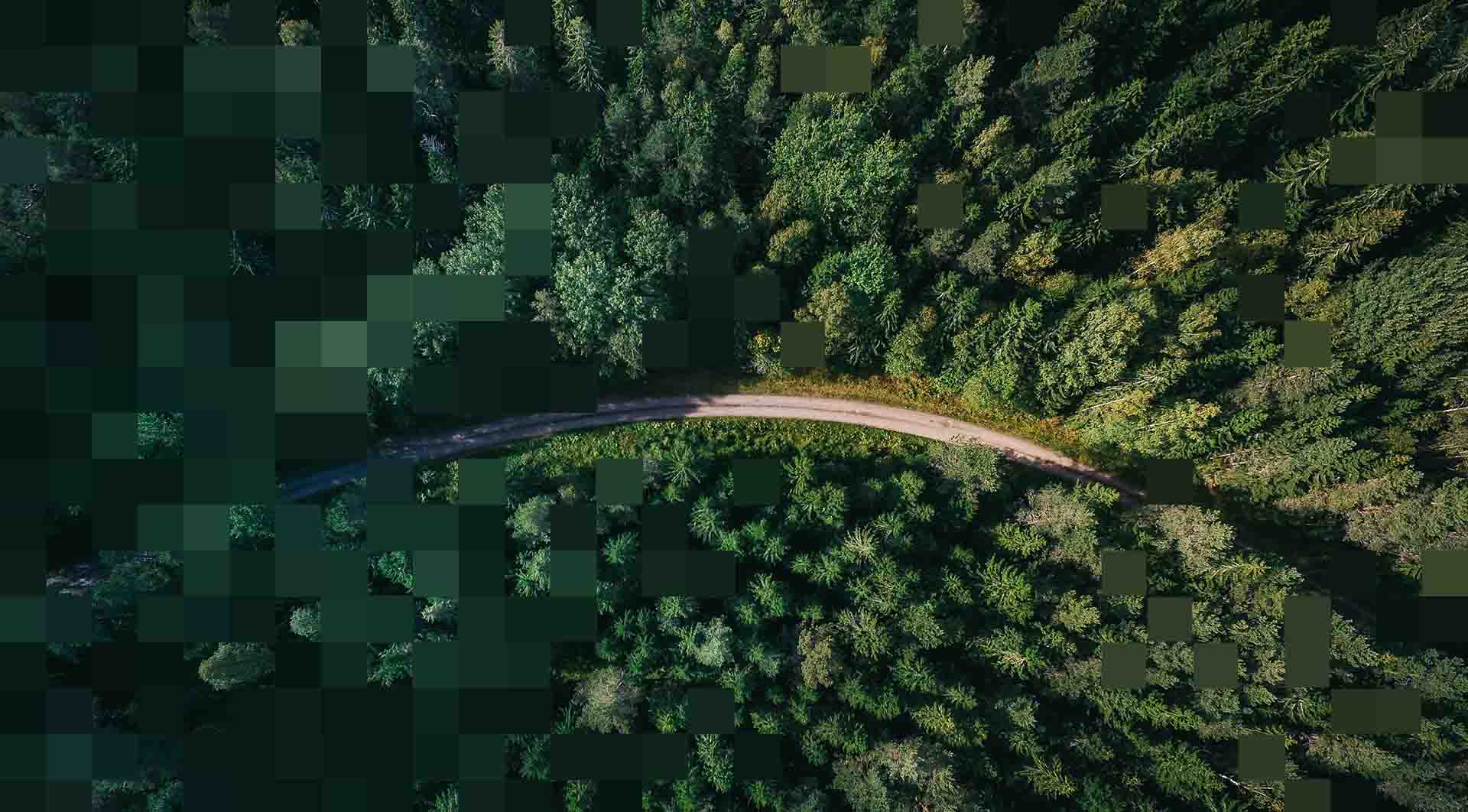
Land use refers to the occupation of a specific area of land for a defined purpose over a period of time during an Activity. In Life Cycle Assessment, land use represents the temporal aspect of how land is utilised, measuring both the area occupied and the duration of that occupation.
ISO 14040 addresses land use as an elementary flow, representing an exchange between human activities and the natural environment. The environmental significance of land use depends not only on the quantity of land occupied but also on the quality and type of land involved, such as agricultural land, forest land, urban land, or natural ecosystems.
Land use is typically quantified in area-time units, such as square metres per year (m²·year), reflecting both the spatial extent and temporal duration of occupation. This metric allows for the comparison of different activities that may occupy varying amounts of land for different periods.
The environmental impacts associated with land use are assessed through characterisation methods that consider factors such as biodiversity loss, ecosystem quality degradation, soil quality changes, and the opportunity cost of using land for one purpose rather than another. Different land use types have varying levels of impact on ecosystem services, carbon storage, water regulation, and habitat provision.
In consequential LCA modelling, it is important to distinguish between land use that displaces other land uses (and thus has marginal impacts) and land use that occurs on land with no alternative use. The former carries the environmental burden of the displaced land use, whilst the latter may have minimal marginal impact.
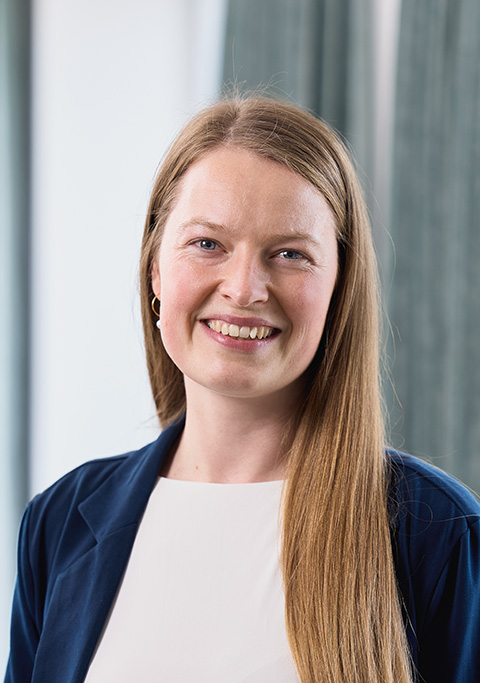
As Chief Operating Officer, Iris leads our organisational development and oversees day-to-day operations. Before joining 2-0, she worked in the biotechnology sector. As an LCA consultant, Iris has devoted her expertise primarily to the domains of sustainable agriculture and food production. She is dedicated to teaching LCA and is responsible for our educational efforts. Iris holds an M.Sc. in Biology – Biotechnology from the University of Copenhagen.
Contact for: LCA Training