
An intermediate exchange is a product, material or energy flow occurring between Unit processes within a product system. These exchanges represent the connections and dependencies between different stages of a product's life cycle, distinguishing them from elementary exchanges that occur between human activities and the environment.
According to ISO 14040, intermediate exchanges are specifically defined as flows occurring between unit processes of the product system being studied. This qualification is important because it establishes the system boundary: intermediate exchanges remain internal to the modelled system, whilst elementary exchanges cross the boundary between the technosphere and the environment.
The term intermediate exchange encompasses all Product outputs and Waste flows that move from one unit process to another. For example, when a manufacturing process produces steel that is then used as an input to an automotive assembly process, the steel represents an intermediate exchange. Similarly, when a production process generates waste material that requires treatment by another process, this waste flow is also an intermediate exchange.
In ISO 14040 terminology, the synonym "intermediate flow" is used interchangeably with intermediate exchange. Both terms describe the same concept: flows that remain within the product system boundaries and connect the various unit processes that collectively deliver the functional unit being assessed.
Understanding intermediate exchanges is fundamental to Life Cycle Assessment because these flows link together the chain of activities from raw material extraction through production, use and disposal. They form the connective tissue of the product system model, enabling the comprehensive tracking of materials and energy as they move through the life cycle stages.
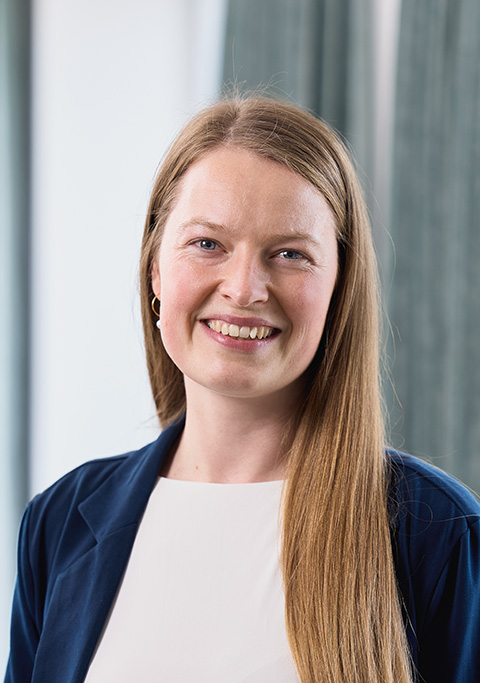
As Chief Operating Officer, Iris leads our organisational development and oversees day-to-day operations. Before joining 2-0, she worked in the biotechnology sector. As an LCA consultant, Iris has devoted her expertise primarily to the domains of sustainable agriculture and food production. She is dedicated to teaching LCA and is responsible for our educational efforts. Iris holds an M.Sc. in Biology – Biotechnology from the University of Copenhagen.
Contact for: LCA Training