



A human activity is an Activity performed by humans, machines and/or animals in human care. This definition distinguishes human activities from environmental mechanisms, which are natural processes occurring without human intervention.
The term encompasses all actions and processes that involve human agency or control, regardless of their economic significance. Whether an activity generates market value or occurs outside formal economic systems, it qualifies as a human activity if it involves deliberate human action or the use of machines and domesticated animals under human direction.
Human activity can be subdivided into four distinct categories. Production represents activities that can be contracted or delegated to others, following Margaret Reid's third party criterion. This includes manufacturing, service provision, and all forms of work that create economic value. Consumption encompasses activities that cannot be delegated to others, such as physical exercise, enjoying art, eating, sleeping, and attending social or religious events. These are fundamentally personal experiences that must be undertaken by the individual themselves.
Market activities constitute another important category, representing markets for specific products. These activities mix similar intermediate product outputs from supplying transforming activities and provide the resulting consumption mix to the transforming activities that consume these products as inputs. Finally, the accumulation of stocks represents the fourth category, capturing the storage and holding of products over time.
This classification framework is essential in Life Cycle Assessment for properly modelling the full range of human interactions with the environment, economy, and society. It ensures that LCA studies capture not only productive economic activities but also the consumption patterns and market dynamics that drive environmental impacts throughout product life cycles.
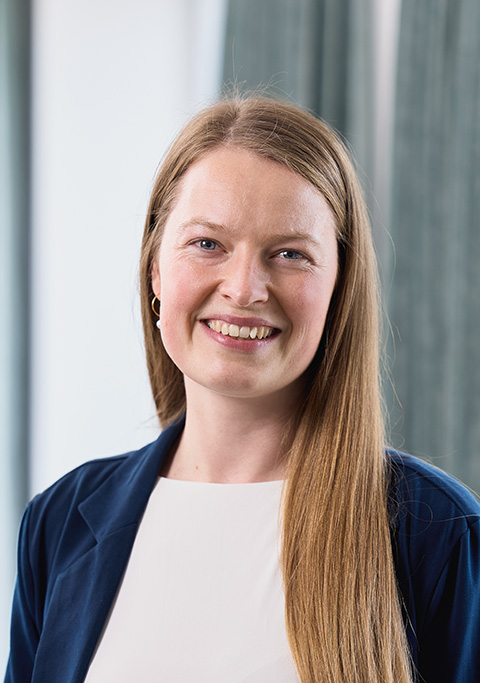
As Chief Operating Officer, Iris leads our organisational development and oversees day-to-day operations. Before joining 2-0, she worked in the biotechnology sector. As an LCA consultant, Iris has devoted her expertise primarily to the domains of sustainable agriculture and food production. She is dedicated to teaching LCA and is responsible for our educational efforts. Iris holds an M.Sc. in Biology – Biotechnology from the University of Copenhagen.
Contact for: LCA Training