
A flow is a causal, directional relationship between a human activity and another human activity, or between a human activity and the natural, social or economic environment, or between environmental mechanisms. The term flow is used synonymously with Exchange in Life Cycle Assessment terminology, as well as with the terms "input or output".
In LCA practice, understanding flows is fundamental to building accurate product system models. Flows represent the movement of materials, energy, services and impacts through a system. They capture the directional nature of these movements, showing what enters and exits each activity, and how activities are interconnected within a product system.
The concept of flows encompasses several distinct categories. Intermediate flows (or intermediate exchanges) represent products, materials or energy moving between unit processes within a product system. Elementary flows represent exchanges between human activities and the environment without previous or subsequent human transformation, such as raw material extraction or emissions to air, water and soil. These elementary flows form the basis for environmental impact assessment in LCA.
ISO 14040 and ISO 14044 use the term "elementary flow" to describe material or energy entering the system being studied that has been drawn from the environment without previous human transformation, or material or energy leaving the system being studied that is released into the environment without subsequent human transformation. This aligns with the broader concept of exchange, where flows capture all causal relationships necessary to model a product's life cycle comprehensively.
The directional nature of flows is essential. Each flow has a clear origin and destination, enabling LCA practitioners to trace materials and impacts through complex supply chains and production networks, forming the foundation for both Life Cycle Inventory analysis and subsequent impact assessment phases.
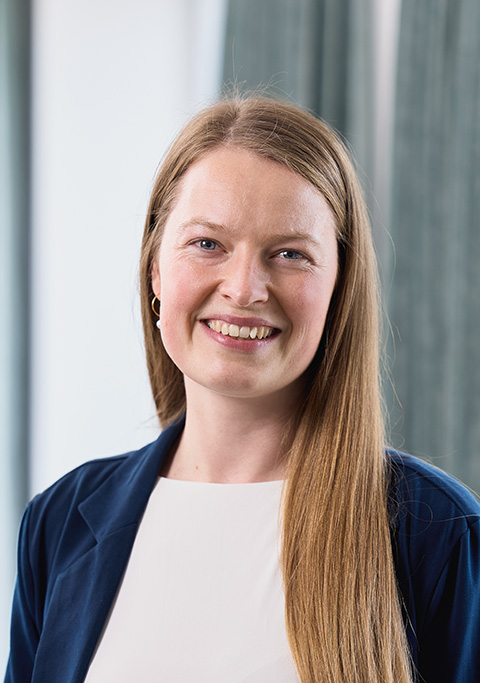
As Chief Operating Officer, Iris leads our organisational development and oversees day-to-day operations. Before joining 2-0, she worked in the biotechnology sector. As an LCA consultant, Iris has devoted her expertise primarily to the domains of sustainable agriculture and food production. She is dedicated to teaching LCA and is responsible for our educational efforts. Iris holds an M.Sc. in Biology – Biotechnology from the University of Copenhagen.
Contact for: LCA Training