
A final disposal activity is a Treatment activity that does not have any other Product outputs than the disposal of a waste material for treatment. This represents the terminal point in a material's life cycle, where the material ceases to have any further productive use or recovery potential within the economic system.
Treatment activities in Life Cycle Assessment can be categorised based on their outputs. Whilst some treatment activities produce recoverable materials or energy that can serve as by-products displacing other production activities, a final disposal activity is distinguished by its absence of such recoverable outputs. The only function performed by a final disposal activity is the permanent disposal or containment of the waste material.
Common examples of final disposal activities include landfilling of non-recoverable waste, deep geological storage of hazardous materials, and certain forms of permanent waste containment where no material or energy recovery takes place. These activities represent the end-of-life stage for materials that cannot be recycled, reused, or otherwise recovered for productive purposes.
In LCA modelling, final disposal activities are characterised by having a reference product with a negative sign, indicating that the activity provides a treatment service rather than producing a marketable product. The environmental burdens associated with final disposal activities include land use, potential emissions during long-term storage or degradation, and the infrastructure required for permanent containment. Understanding final disposal activities is essential for accurately modelling the complete environmental profile of product systems, particularly when comparing scenarios involving different waste management strategies.
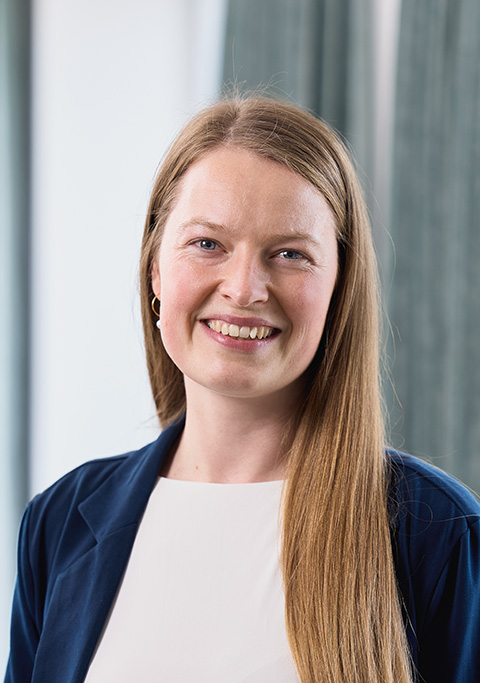
As Chief Operating Officer, Iris leads our organisational development and oversees day-to-day operations. Before joining 2-0, she worked in the biotechnology sector. As an LCA consultant, Iris has devoted her expertise primarily to the domains of sustainable agriculture and food production. She is dedicated to teaching LCA and is responsible for our educational efforts. Iris holds an M.Sc. in Biology – Biotechnology from the University of Copenhagen.
Contact for: LCA Training