

An environmental mechanism is an Activity not performed by humans, machines and/or animals in human care. These are natural processes that occur within environmental systems without direct human intervention or control. Examples include atmospheric dispersion of pollutants, photochemical reactions in the atmosphere, bioaccumulation in food chains, acidification processes in soils and water bodies, and radioactive decay.
The distinction between environmental mechanisms and human activities is fundamental in Life Cycle Assessment. Whilst human activities represent the production, consumption, and treatment processes that we can directly influence through decisions and technology choices, environmental mechanisms represent the natural processes through which emissions and resource extractions lead to environmental impacts.
Within the context of Life Cycle Impact Assessment (LCIA), environmental mechanisms play a crucial role in Characterisation models. A characterisation model describes the relationship between Life Cycle Inventory analysis results (such as emissions of specific substances) and their subsequent environmental impacts. Environmental mechanisms form the causal pathways within these models, linking the elementary exchanges documented in the inventory to the impact category endpoints that represent actual environmental damage.
For instance, when carbon dioxide is emitted to the atmosphere (an elementary exchange from a human activity), various environmental mechanisms come into play: atmospheric mixing and transport, absorption and re-emission of infrared radiation, and heat transfer processes. These mechanisms collectively contribute to the impact category endpoint of climate change, which is represented by its impact category indicator (typically global warming potential measured in CO₂ equivalents).
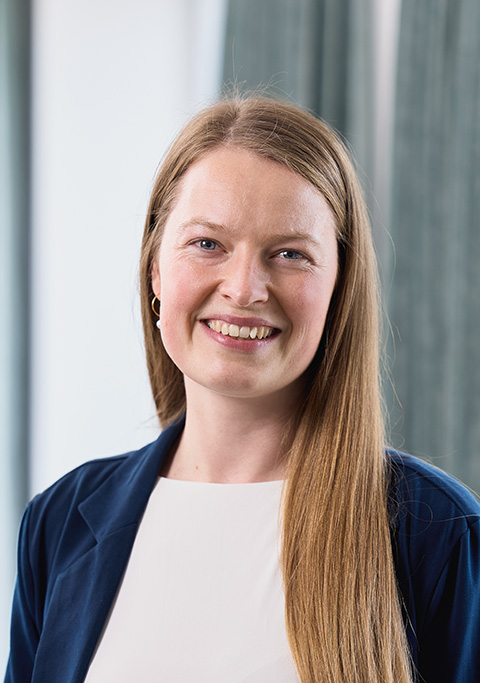
As Chief Operating Officer, Iris leads our organisational development and oversees day-to-day operations. Before joining 2-0, she worked in the biotechnology sector. As an LCA consultant, Iris has devoted her expertise primarily to the domains of sustainable agriculture and food production. She is dedicated to teaching LCA and is responsible for our educational efforts. Iris holds an M.Sc. in Biology – Biotechnology from the University of Copenhagen.
Contact for: LCA Training