


Environmental exchanges are flows between a product system and the natural environment, encompassing three distinct categories of interaction. These exchanges form a crucial component of Life Cycle Inventory analysis, as they represent the interface between human activities and the environmental systems that support them.
The first category comprises environmental inputs to a product system, commonly referred to as resources. These are materials or energy drawn from the natural environment that enter the product system to support production processes. Examples include raw materials extracted from the earth, water withdrawals from natural sources, and renewable or non-renewable energy sources. According to ISO 14040, these are materials or energy entering the system being studied that have been drawn from the environment without previous human transformation.
The second category consists of environmental outputs from a product system. These are substances or forms of energy released from the product system into the natural environment, including emissions to air such as greenhouse gases and particulate matter, discharges to water bodies including nutrient loads and chemical pollutants, and releases to soil such as pesticides or industrial residues. ISO 14040 defines these as materials or energy leaving the system being studied that are released into the environment without subsequent human transformation.
The third category encompasses environmental relations of a product system that are not directly connected to its material or energy inputs and outputs. This broader category recognises that product systems interact with the environment in ways beyond simple input-output flows. Examples include land use and land transformation, which affect ecosystem services and biodiversity; physical impacts such as noise, vibration, and radiation; and non-chemical aspects of occupational health and safety. Additionally, this category includes considerations of human wellbeing such as the welfare of workers and the welfare of domestic animals under human care.
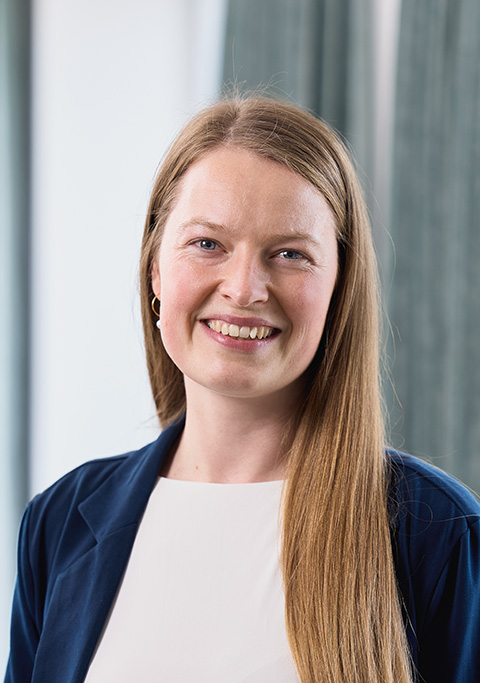
As Chief Operating Officer, Iris leads our organisational development and oversees day-to-day operations. Before joining 2-0, she worked in the biotechnology sector. As an LCA consultant, Iris has devoted her expertise primarily to the domains of sustainable agriculture and food production. She is dedicated to teaching LCA and is responsible for our educational efforts. Iris holds an M.Sc. in Biology – Biotechnology from the University of Copenhagen.
Contact for: LCA Training