
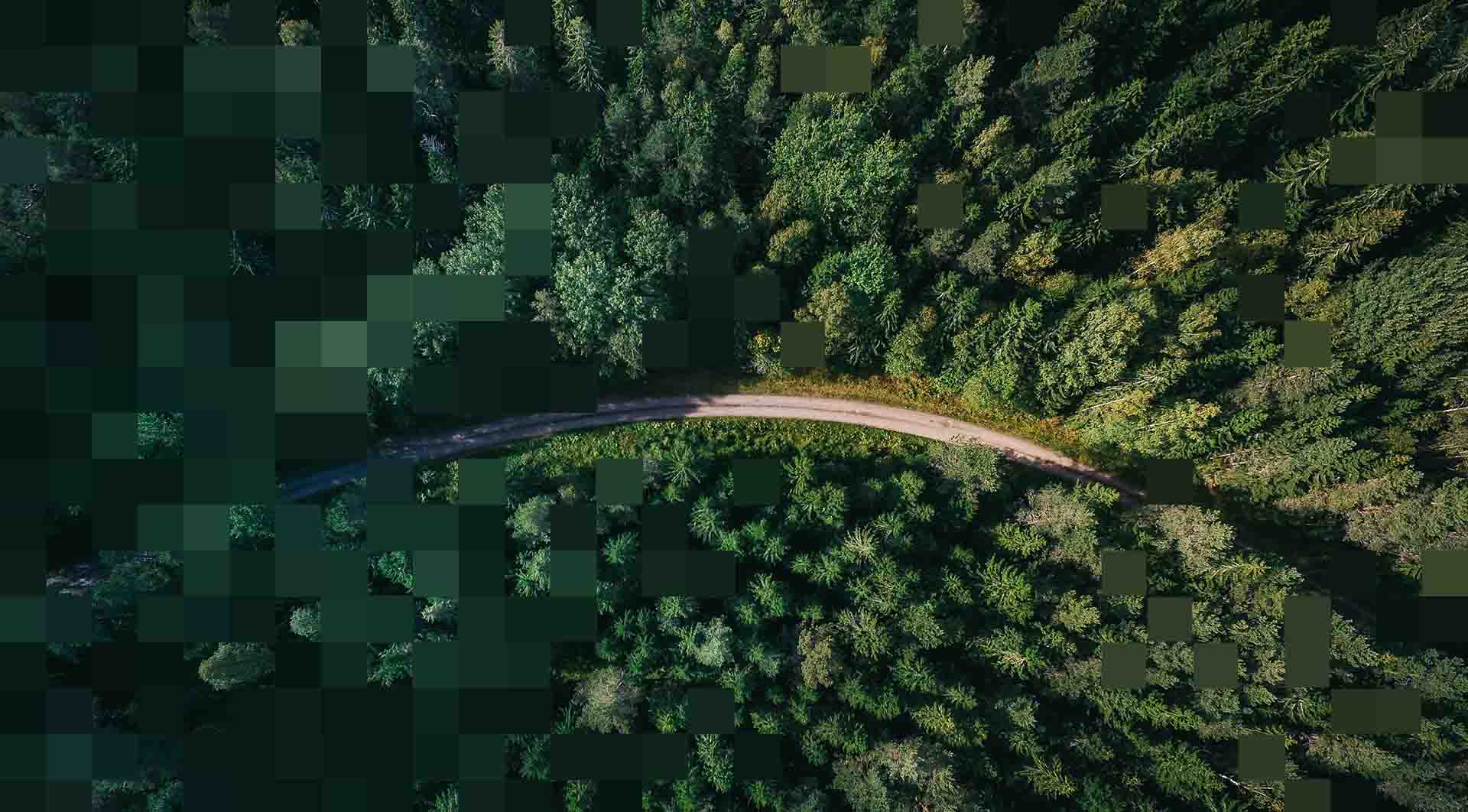

The environment refers to the surroundings in which an organisation operates, including air, water, land, natural resources, flora, fauna, humans, and their interrelation. This comprehensive definition, established in ISO 14001, encompasses all elements that can be affected by or that influence an organisation's activities, products, and services.
In Life Cycle Assessment, the environment is often divided into three interconnected dimensions to facilitate systematic analysis. The social environment comprises humans and human systems, including health, wellbeing, and social structures. The biophysical environment encompasses nature in its entirety, including ecosystems, biodiversity, natural resources, and physical systems such as air, water, and soil. The economic environment relates to resources and economic systems that support production and consumption activities.

As Chief Operating Officer, Iris leads our organisational development and oversees day-to-day operations. Before joining 2-0, she worked in the biotechnology sector. As an LCA consultant, Iris has devoted her expertise primarily to the domains of sustainable agriculture and food production. She is dedicated to teaching LCA and is responsible for our educational efforts. Iris holds an M.Sc. in Biology – Biotechnology from the University of Copenhagen.
Contact for: LCA Training