


An elementary flow is an elementary exchange with mass or energy properties. This concept represents the fundamental interface between human activities and the natural environment in Life Cycle Assessment, capturing flows that cross the boundary between the technosphere (the system of human activities) and the biosphere or geosphere.
According to ISO 14040, elementary flows encompass two distinct categories. The first comprises material or energy entering the system being studied that has been drawn from the environment without previous human transformation. These are natural resources in their unprocessed state, such as crude oil extracted from geological formations, freshwater drawn from aquifers, or solar radiation captured for energy generation. The defining characteristic is that these inputs have not undergone any prior human modification before entering the product system.
The second category consists of material or energy leaving the system being studied that is released into the environment without subsequent human transformation. These outputs include emissions to air, water, and soil, as well as waste heat and other energy releases. Examples include carbon dioxide emissions to the atmosphere, nitrogen compounds discharged to water bodies, or heavy metals released to soil. The key aspect is that once these flows leave the system boundary, they enter the natural environment directly without further human processing or treatment.
Elementary flows form the foundation of Life Cycle Inventory analysis, as they represent the actual environmental interventions that can be characterised and assessed for their potential impacts. Unlike intermediate exchanges, which represent flows between human activities within the technosphere, elementary flows cross into the environmental sphere where they may contribute to various impact categories such as climate change, acidification, eutrophication, or resource depletion.
The mass or energy property requirement distinguishes elementary flows from other types of environmental interventions that might not have these physical properties, ensuring that the flows can be quantified in standard physical units for assessment purposes.
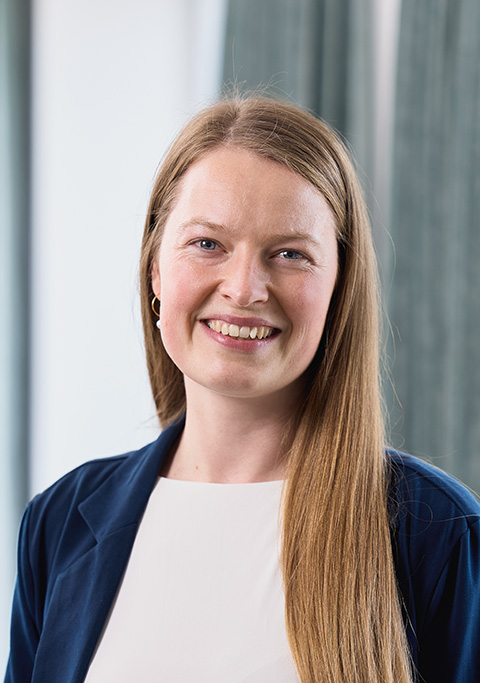
As Chief Operating Officer, Iris leads our organisational development and oversees day-to-day operations. Before joining 2-0, she worked in the biotechnology sector. As an LCA consultant, Iris has devoted her expertise primarily to the domains of sustainable agriculture and food production. She is dedicated to teaching LCA and is responsible for our educational efforts. Iris holds an M.Sc. in Biology – Biotechnology from the University of Copenhagen.
Contact for: LCA Training