
Displaced treatment is a treatment that is reduced, replaced, or substituted as a consequence of a change in supply or demand for the material for treatment. This concept is particularly relevant in consequential Life Cycle Assessment, where the focus is on understanding how changes in one part of a system affect activities elsewhere in the economy.
When a by-product or waste material from one activity becomes available for use in another activity, it can displace the need for treatment services that would otherwise have been required for this material.
The concept is closely related to system expansion and substitution modelling, where the environmental consequences of by-products and waste materials are assessed not merely by their direct treatment requirements, but by the broader changes they induce in treatment systems. This approach ensures that the assessment captures the full consequences of decisions affecting material flows, including both the avoided and the additional treatment activities that result from those decisions.
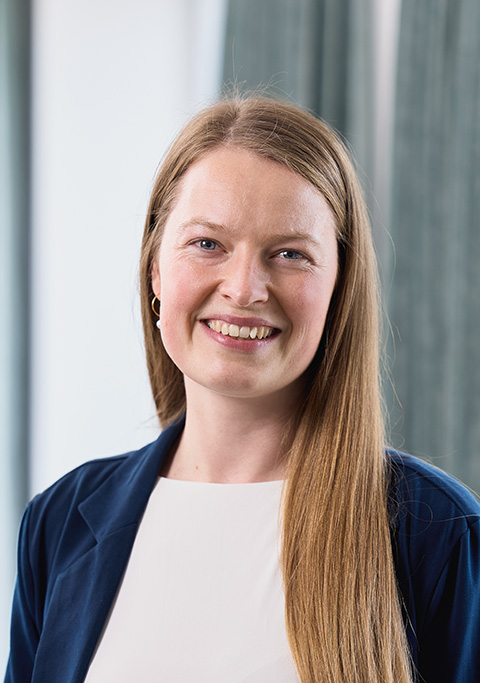
As Chief Operating Officer, Iris leads our organisational development and oversees day-to-day operations. Before joining 2-0, she worked in the biotechnology sector. As an LCA consultant, Iris has devoted her expertise primarily to the domains of sustainable agriculture and food production. She is dedicated to teaching LCA and is responsible for our educational efforts. Iris holds an M.Sc. in Biology – Biotechnology from the University of Copenhagen.
Contact for: LCA Training