Solutions



Services






ISO 14040:2006 is the international standard that establishes the principles and framework for Life Cycle Assessment. Published by the International Organisation for Standardisation, this standard provides the guidelines for conducting LCA studies across all types of products and services.
The standard defines Life Cycle Assessment as the "compilation and evaluation of the inputs, outputs and the potential environmental impacts of a product system throughout its life cycle". It establishes that LCA consists of four phases: goal and scope definition, life cycle inventory analysis, life cycle impact assessment, and interpretation. These phases form an iterative framework for systematic environmental assessment.
ISO 14040:2006 works in conjunction with ISO 14044, which provides detailed requirements and guidelines for conducting LCA studies. Whilst ISO 14040:2006 focuses on principles and framework, ISO 14044 covers the specific methodological requirements and procedures. Together, these two standards make up the ISO framework for Life Cycle Assessment practice.
The standard emphasises several key principles that underpin credible LCA practice. These include a life cycle perspective that considers all stages from raw material extraction through production, use, and end-of-life treatment. It also stresses the importance of environmental focus, a relative approach based on a functional unit, iterative methodology, transparency, comprehensiveness, and priority given to a scientific approach.
ISO 14040:2006 is applicable to LCA studies regardless of their intended application, whether for product development, strategic planning, public policy making, marketing, or other purposes. It provides a common language and consistent methodology that allows comparison and communication of LCA results across organisations, sectors, and geographical boundaries.
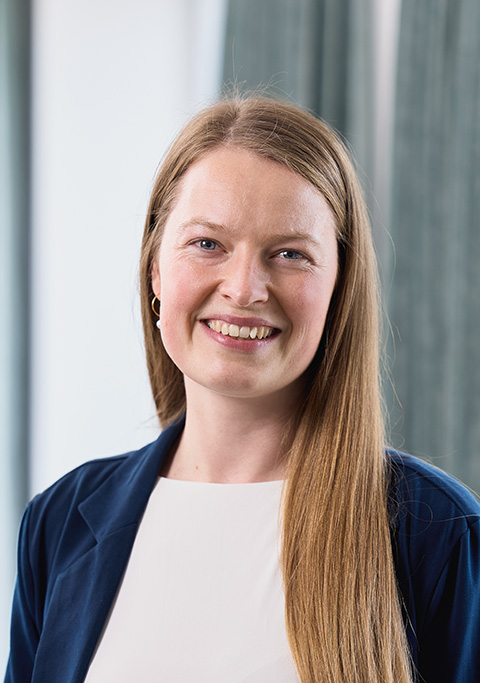
As Chief Operating Officer, Iris leads our organisational development and oversees day-to-day operations. Before joining 2-0, she worked in the biotechnology sector. As an LCA consultant, Iris has devoted her expertise primarily to the domains of sustainable agriculture and food production. She is dedicated to teaching LCA and is responsible for our educational efforts. Iris holds an M.Sc. in Biology – Biotechnology from the University of Copenhagen.
Contact for: LCA Training
Glossary terms are clearer once you have seen them applied. Our guide to what LCA is and how it works walks through the complete methodology: goal and scope, inventory modelling, impact assessment, and interpretation.
If you are working on an LCA study and want it done properly, see how we approach life cycle assessment.