Solutions



Services






Weighting is a characterisation method in Life Cycle Impact Assessment that is based solely on value choices, describing the relative contribution to an Impact category endpoint from other intermediate impact category endpoints. Unlike other characterisation approaches that rely on physical or chemical models, weighting explicitly incorporates normative judgements about the relative importance of different environmental impacts.
In the context of LCIA, weighting is an optional step that goes beyond the scientific characterisation of impacts. It involves assigning relative importance factors to different impact categories to enable comparison and aggregation across diverse environmental concerns such as climate change, human toxicity, resource depletion, and ecosystem quality. Because weighting depends on value judgements rather than scientific principles alone, it introduces subjectivity into the assessment process.
The term "impact category endpoint" refers to the attribute or aspect of the environment that is ultimately affected by the impacts being assessed. According to ISO 14040, this is an aspect of natural environment, human health, or resources that identifies an environmental issue giving cause for concern. Weighting methods aggregate or compare intermediate results by assigning relative weights that reflect societal, political, or stakeholder priorities regarding the importance of protecting different endpoints.
Common weighting approaches include the Distance-To-Target method, which weights impacts based on the gap between current levels and policy targets, and panel-based methods that derive weights from expert or stakeholder judgements. Whilst weighting can facilitate decision-making by reducing multiple impact indicators to a single score, ISO 14044 recommends that weighting should not be used in LCA studies intended for public comparative assertions due to its inherently subjective nature.
The distinction between characterisation factors derived from scientific models and weighting factors based on value choices is important for transparency in Life Cycle Assessment.
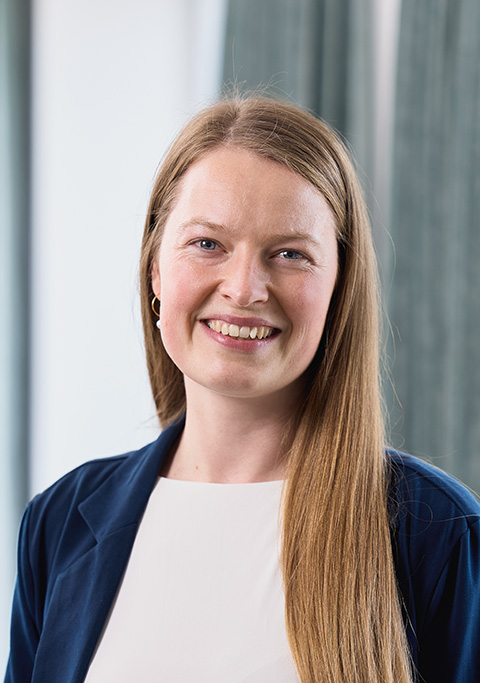
As Chief Operating Officer, Iris leads our organisational development and oversees day-to-day operations. Before joining 2-0, she worked in the biotechnology sector. As an LCA consultant, Iris has devoted her expertise primarily to the domains of sustainable agriculture and food production. She is dedicated to teaching LCA and is responsible for our educational efforts. Iris holds an M.Sc. in Biology – Biotechnology from the University of Copenhagen.
Contact for: LCA Training
Glossary terms are clearer once you have seen them applied. Our guide to what LCA is and how it works walks through the complete methodology: goal and scope, inventory modelling, impact assessment, and interpretation.
If you are working on an LCA study and want it done properly, see how we approach life cycle assessment.