Solutions



Services






A reference flow is the measure of outputs from processes (see Activities) in a given Product system required to fulfil the function expressed by the Functional unit. This definition comes directly from ISO 14040, the foundational standard for Life Cycle Assessment.
The reference flow is the quantitative link between the functional unit, which defines what the product system delivers, and the actual processes that must operate to deliver that function. Whilst the functional unit describes the performance or service being provided (for example, "transporting one tonne of goods 100 kilometres"), the reference flow specifies the quantity of product outputs needed from each process in the system to deliver that function (for example, "0.05 litres of diesel fuel" or "0.002 lorries").
In practical terms, when conducting an LCA, the analyst begins by defining the functional unit to establish the basis for comparison. The reference flow is then calculated by working through the product system to determine how much output from each unit process is needed to fulfil that functional unit. This creates a scalable model where all inventory data and environmental impacts can be related back to the functional unit through the reference flows.
The reference flow concept becomes particularly important when comparing different product systems that deliver the same function. Different systems may require vastly different reference flows to achieve the same functional unit. For instance, two packaging systems might both fulfil the functional unit of "containing one litre of beverage for distribution", but one might require 20 grams of glass whilst the other requires 30 grams of plastic. These quantities are the reference flows for each respective system.
The reference flow should be distinguished from the functional unit itself. The functional unit is function-oriented and qualitative in its description, even though it includes quantitative elements. The reference flow, by contrast, is purely quantitative and product-specific.
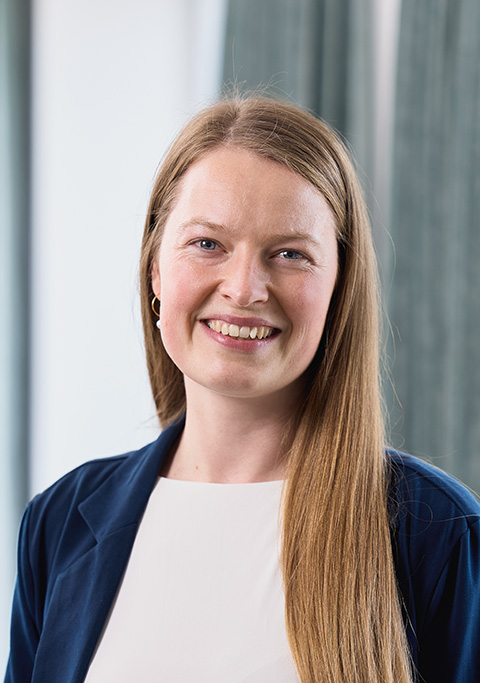
As Chief Operating Officer, Iris leads our organisational development and oversees day-to-day operations. Before joining 2-0, she worked in the biotechnology sector. As an LCA consultant, Iris has devoted her expertise primarily to the domains of sustainable agriculture and food production. She is dedicated to teaching LCA and is responsible for our educational efforts. Iris holds an M.Sc. in Biology – Biotechnology from the University of Copenhagen.
Contact for: LCA Training
Glossary terms are clearer once you have seen them applied. Our guide to what LCA is and how it works walks through the complete methodology: goal and scope, inventory modelling, impact assessment, and interpretation.
If you are working on an LCA study and want it done properly, see how we approach life cycle assessment.