Solutions



Services






A process is a synonym for Activity in Life Cycle Assessment terminology. In LCA practice, the term process is widely used, particularly in traditional LCA literature and software applications, whilst "activity" is the more formal terminology adopted in standardised glossaries.
ISO 14040 clause 3.11 defines a process as the "set of interrelated or interacting activities that transform inputs into outputs". This corresponds to what is more precisely termed a "unit process" in the ISO standards, which is defined as the "smallest element considered in the life cycle inventory analysis for which input and output data are quantified". However, in common usage within the LCA community, "process" is often used more broadly to refer to any doing or making activity, whether it is the smallest unit of analysis or a larger grouped activity.
The etymological root of activity comes from the Latin actio, meaning "doing or making". Activities (or processes) encompass all forms of doing or making, including human activities performed by humans, machines, and animals in human care, as well as environmental mechanisms that occur in nature without human intervention.
Within Life Cycle Assessment, processes are the building blocks of product systems. Each process transforms inputs into outputs through exchanges with other processes or with the environment. Understanding processes and their interconnections is needed to construct accurate life cycle inventories and conduct meaningful environmental impact assessments.
The preference for "activity" over "process" in modern LCA glossaries reflects an effort to use clearer, more descriptive terminology that is less likely to be confused with other technical uses of the word "process" in industrial and scientific contexts.
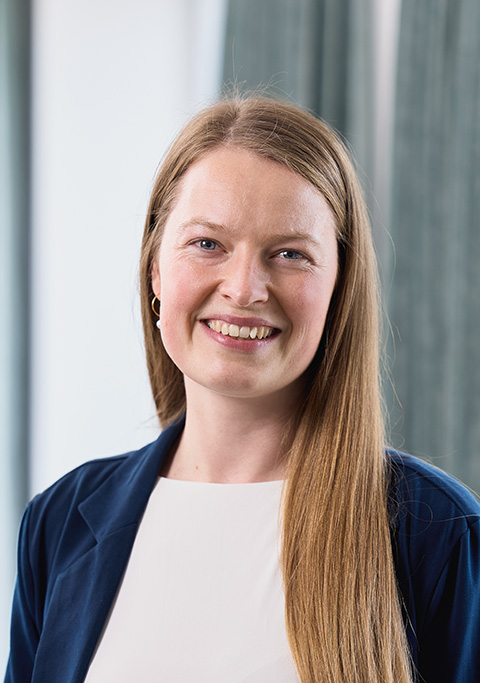
As Chief Operating Officer, Iris leads our organisational development and oversees day-to-day operations. Before joining 2-0, she worked in the biotechnology sector. As an LCA consultant, Iris has devoted her expertise primarily to the domains of sustainable agriculture and food production. She is dedicated to teaching LCA and is responsible for our educational efforts. Iris holds an M.Sc. in Biology – Biotechnology from the University of Copenhagen.
Contact for: LCA Training
Glossary terms are clearer once you have seen them applied. Our guide to what LCA is and how it works walks through the complete methodology: goal and scope, inventory modelling, impact assessment, and interpretation.
If you are working on an LCA study and want it done properly, see how we approach life cycle assessment.