Solutions



Services






A private cost is the cost paid by an economic actor in order to produce or obtain a specified amount of a product. These are the internal costs borne directly by the entity undertaking an activity, as opposed to External cost which are borne by others in society without being reflected in market prices.
Private costs are the financial expenditure that appears in conventional accounting systems and business ledgers. They include direct production costs such as raw materials, labour, energy, equipment, and overhead expenses that the producing entity must pay to create or acquire a product. These costs are internalised within the economic transaction and are typically reflected in the market price of goods and services.
In the context of Life Cycle Assessment and sustainability evaluation, understanding the distinction between private costs and external costs matters. Whilst private costs capture the economic burden experienced by market participants, they do not account for the broader social and environmental impacts that may be imposed on others.
Environmental Life Cycle Costing focuses on quantifying these private costs across the entire life cycle of a product, from raw material extraction through to disposal. Environmental LCC covers all costs directly borne by actors in the product life cycle, with complementary inclusion of externalities anticipated to be internalised in the decision-relevant future. The cumulated LCC result equals the price of the product when accounting for all value added throughout the life cycle, including costs during use and disposal phases.
The term internal cost is used synonymously with private cost, emphasising that these are costs internal to the economic actor rather than external to them.
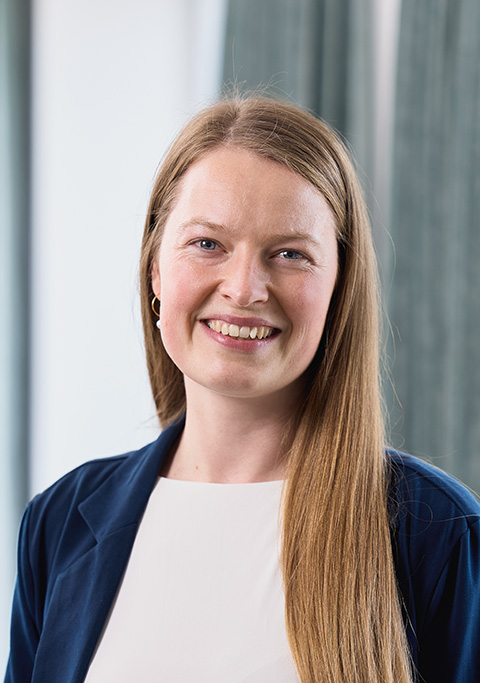
As Chief Operating Officer, Iris leads our organisational development and oversees day-to-day operations. Before joining 2-0, she worked in the biotechnology sector. As an LCA consultant, Iris has devoted her expertise primarily to the domains of sustainable agriculture and food production. She is dedicated to teaching LCA and is responsible for our educational efforts. Iris holds an M.Sc. in Biology – Biotechnology from the University of Copenhagen.
Contact for: LCA Training
Glossary terms are clearer once you have seen them applied. Our guide to what LCA is and how it works walks through the complete methodology: goal and scope, inventory modelling, impact assessment, and interpretation.
If you are working on an LCA study and want it done properly, see how we approach life cycle assessment.