Solutions



Services






The Distance-To-Target method (DTT method) is a Weighting method used in Life Cycle Impact Assessment to weight environmental impacts by comparing current impact levels against established target levels. This normalisation and weighting approach gives a structured way to express the relative significance of different environmental impacts within the context of sustainability goals.
The DTT method calculates weights based on the ratio between the current level of each impact category and a predetermined target level for that same impact. This ratio represents the "distance" that needs to be covered to reach the environmental target, hence the method's name. Impact categories that are furthest from their targets receive higher weights, reflecting the greater urgency of addressing these environmental issues.
Target levels are typically derived from policy goals, scientific thresholds, or sustainability objectives established by international agreements, national legislation, or expert consensus. These targets might include climate goals such as limiting global temperature rise, biodiversity targets, or resource depletion thresholds that align with planetary boundaries or sustainable development objectives.
The DTT method's strength is its policy-relevant approach to weighting. Anchoring weights to explicit environmental targets makes the value choices transparent, reflecting societal priorities and scientific understanding of environmental limits. This contrasts with other weighting approaches that might rely solely on stakeholder preferences or willingness-to-pay valuations.
However, the choice of target levels inherently involves normative decisions about what constitutes acceptable environmental performance and appropriate timeframes for achieving sustainability goals. Different target selections can significantly influence the resulting weights and, consequently, the overall assessment outcomes.
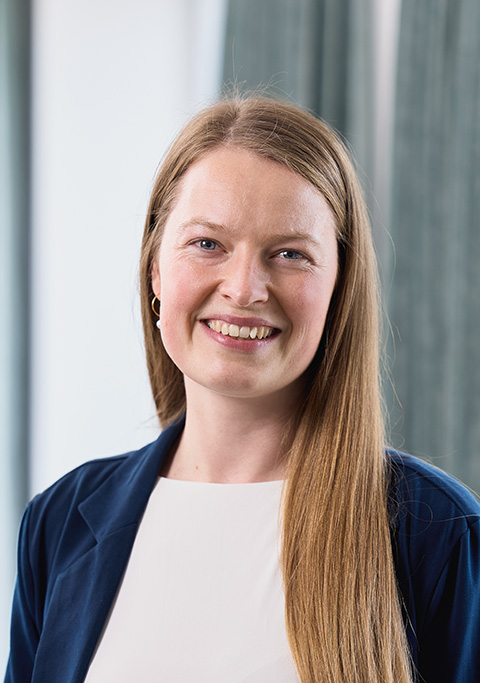
As Chief Operating Officer, Iris leads our organisational development and oversees day-to-day operations. Before joining 2-0, she worked in the biotechnology sector. As an LCA consultant, Iris has devoted her expertise primarily to the domains of sustainable agriculture and food production. She is dedicated to teaching LCA and is responsible for our educational efforts. Iris holds an M.Sc. in Biology – Biotechnology from the University of Copenhagen.
Contact for: LCA Training
Glossary terms are clearer once you have seen them applied. Our guide to what LCA is and how it works walks through the complete methodology: goal and scope, inventory modelling, impact assessment, and interpretation.
If you are working on an LCA study and want it done properly, see how we approach life cycle assessment.