Solutions



Services






Discounting is the process of calculating the present value of Costs and Benefits being considered for future periods. This economic principle recognises that money and resources have different values at different points in time, reflecting factors such as inflation, opportunity costs, and time preference.
The basic concept of discounting is that a monetary unit available today is worth more than the same monetary unit available in the future. This is because present resources can be invested to generate returns, and individuals typically prefer immediate consumption over delayed consumption. Discounting converts future costs and benefits to their equivalent present values, allowing meaningful comparison and aggregation across time periods.
Discounting is implemented through the use of a discount rate, which determines how rapidly future values decrease when expressed in present terms. The discount rate can vary over time and may reflect different considerations depending on the assessment context. A discount factor is then calculated from this rate and applied as a multiplier to future monetary amounts, converting them to present value equivalents.
Discounting plays an important role in Cost-Benefit Assessment. When evaluating product systems with impacts occurring over extended time periods, discounting allows practitioners to calculate the net present value of all costs and benefits throughout the system's life cycle. This supports informed decision-making by expressing diverse temporal impacts in a common metric.
However, the application of discounting to long-term environmental and social impacts remains a subject of ongoing debate in sustainability assessment. Critics argue that conventional discount rates may undervalue impacts on future generations, potentially conflicting with the principles of sustainable development and intergenerational equity.
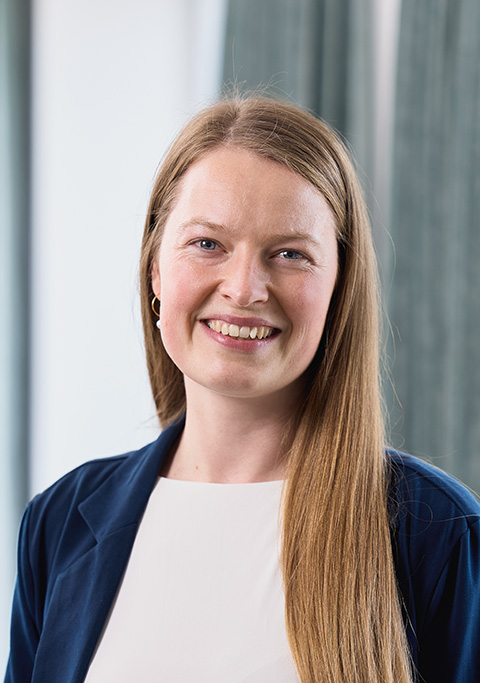
As Chief Operating Officer, Iris leads our organisational development and oversees day-to-day operations. Before joining 2-0, she worked in the biotechnology sector. As an LCA consultant, Iris has devoted her expertise primarily to the domains of sustainable agriculture and food production. She is dedicated to teaching LCA and is responsible for our educational efforts. Iris holds an M.Sc. in Biology – Biotechnology from the University of Copenhagen.
Contact for: LCA Training
Glossary terms are clearer once you have seen them applied. Our guide to what LCA is and how it works walks through the complete methodology: goal and scope, inventory modelling, impact assessment, and interpretation.
If you are working on an LCA study and want it done properly, see how we approach life cycle assessment.